
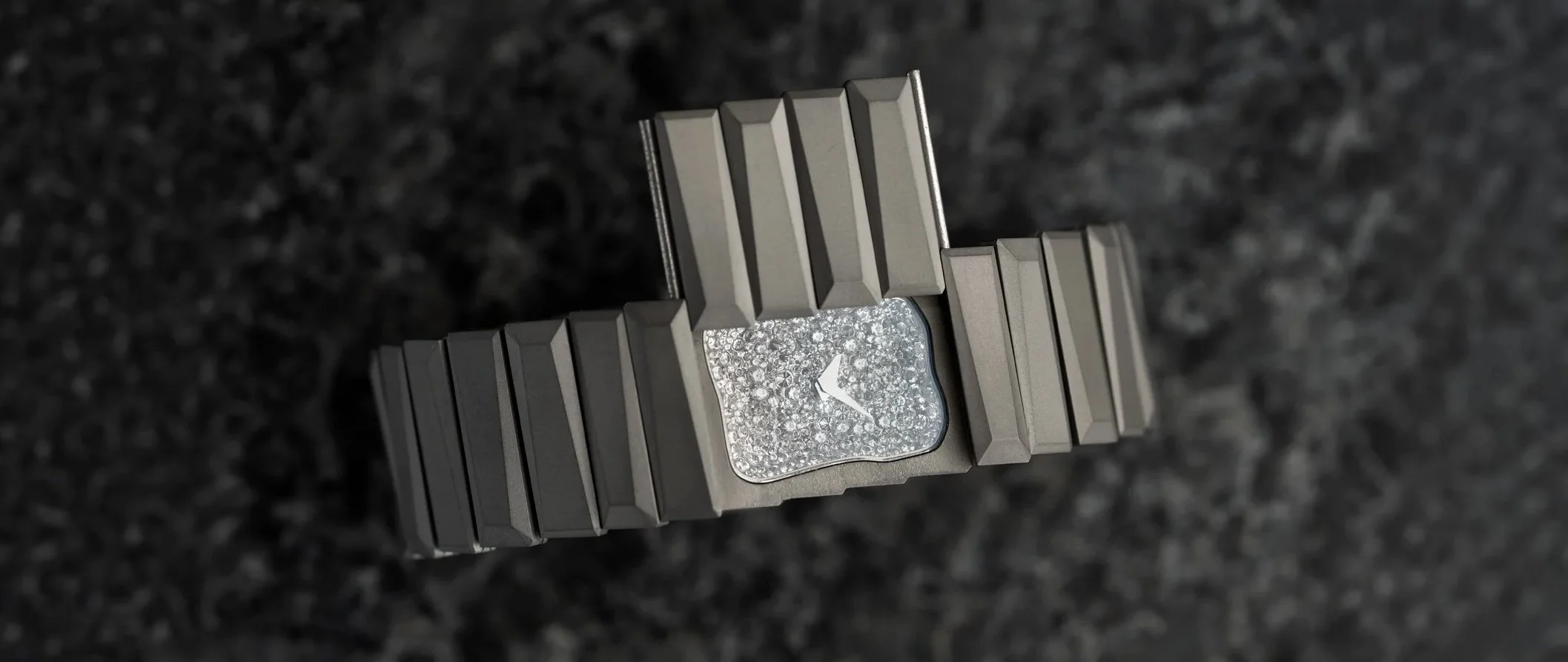
An industrial titanium exterior, two carats of hidden diamonds and a clever sliding cover. Toledano & Chan's latest creation proves that sometimes the most interesting part of a watch is what you can't see.
I rather like the phrase "horological lingerie."
It's not something you hear every day in the watch world, particularly when describing a watch that, at first glance, resembles a rather serious slab of industrial titanium. But in the case of the new Toledano & Chan Oshinobi, it's surprisingly appropriate.
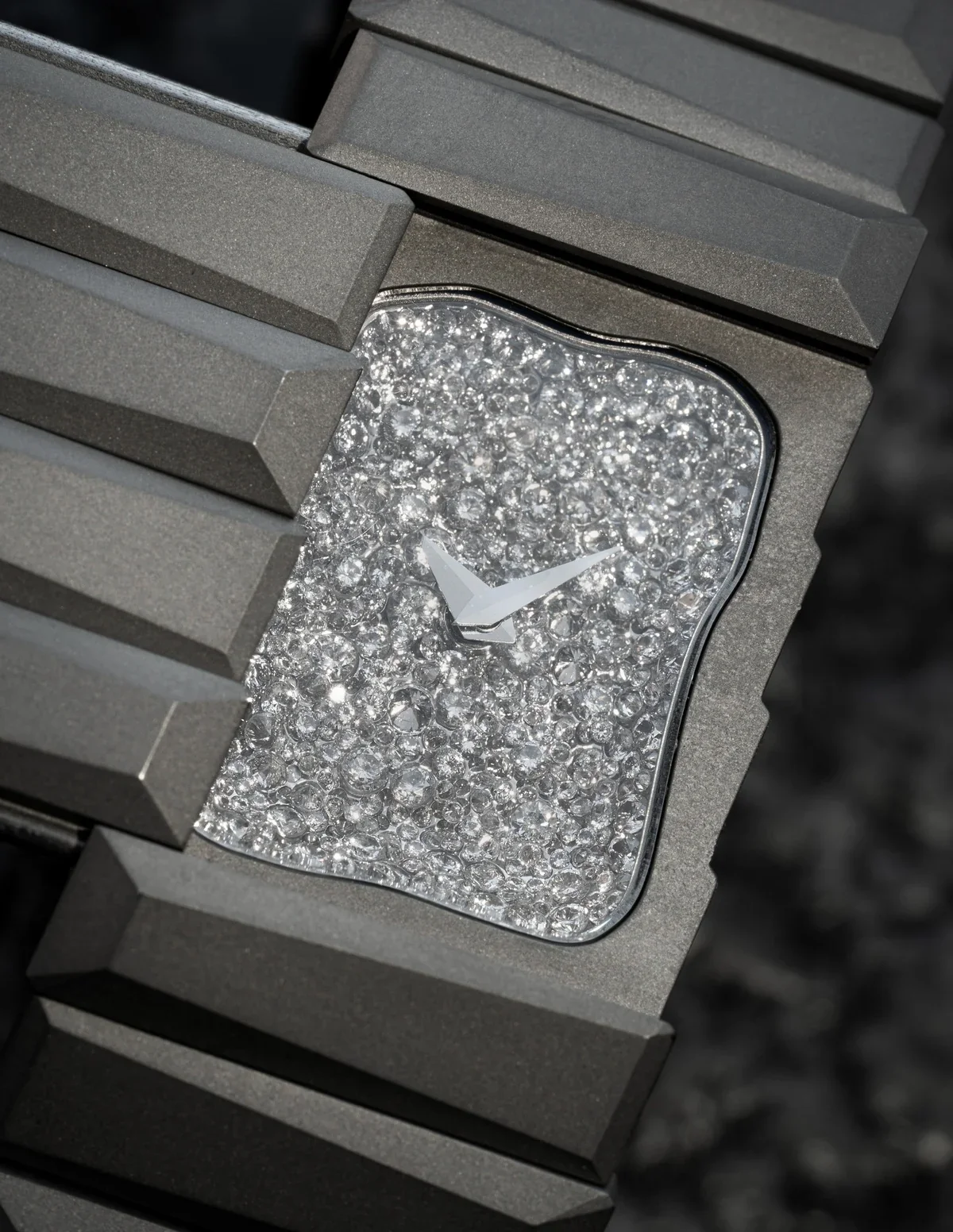
Beneath its sliding titanium cover sits a dial adorned with two carats of snow-set diamonds. Completely hidden from view until the wearer decides otherwise.
It's a rather wonderful contradiction. Something deliberately understated concealing something wonderfully extravagant. And when you consider the watches that have come before it, the Oshinobi starts to make a lot of sense.
Lapis: The First Statement
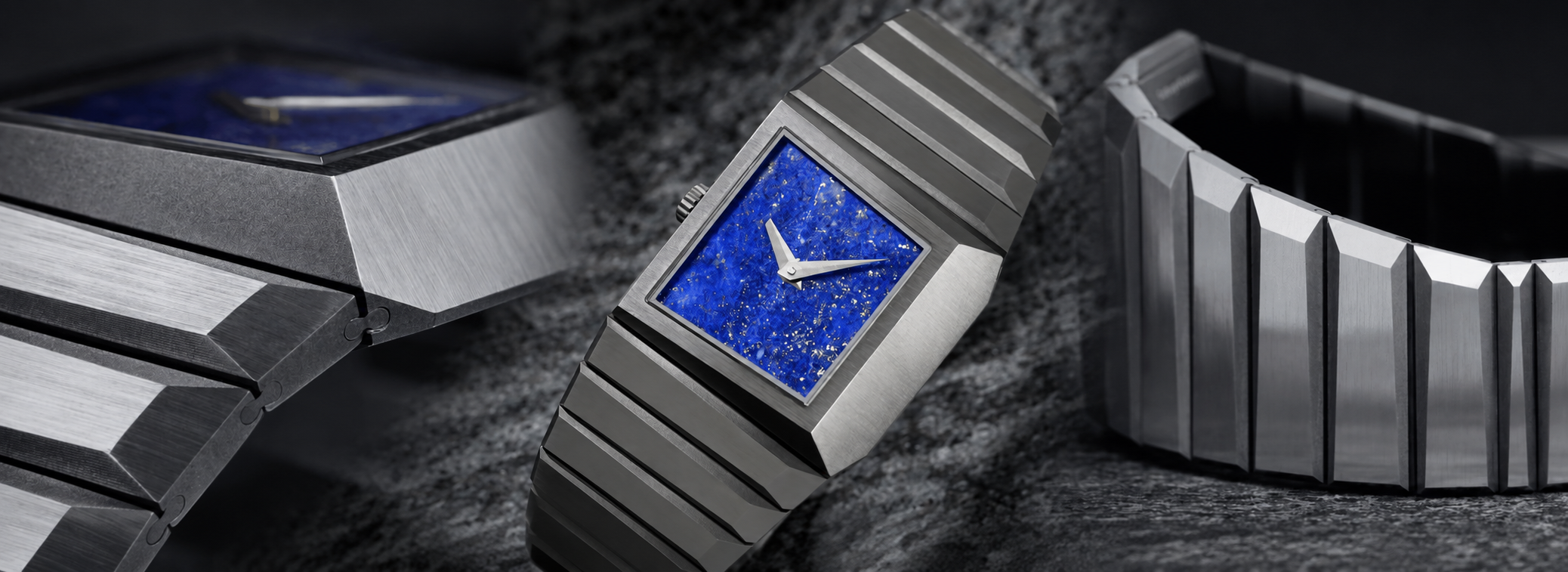
When Phil Toledano and Alfred Chan introduced the original B/1, it was immediately clear that this wasn't going to be another independent watch brand playing things safe.
Inspired by the uncompromising architecture of Brutalism, the B/1 combined a striking, angular steel case with a beautiful lapis lazuli dial.
On paper, those two elements might sound like unlikely companions. In reality, they worked brilliantly together. The hard, architectural lines of the case provided the structure, while the rich blue lapis brought warmth, depth and a little unpredictability.
It was a confident opening statement from a young brand with a very distinctive design language. My own introduction to Toledano & Chan came when I had the opportunity to try on Andrew McUtchen's B/1.
Some watches take a little time to appreciate. Others just click. This was very much the latter.
There was something about the proportions, the integrated bracelet and the sheer boldness of the design that immediately appealed to me.
It felt different without being different simply for the sake of it. In a watch industry where genuinely fresh ideas can sometimes feel few and far between, that's worth celebrating.
Mother of Pearl: A Personal Favourite
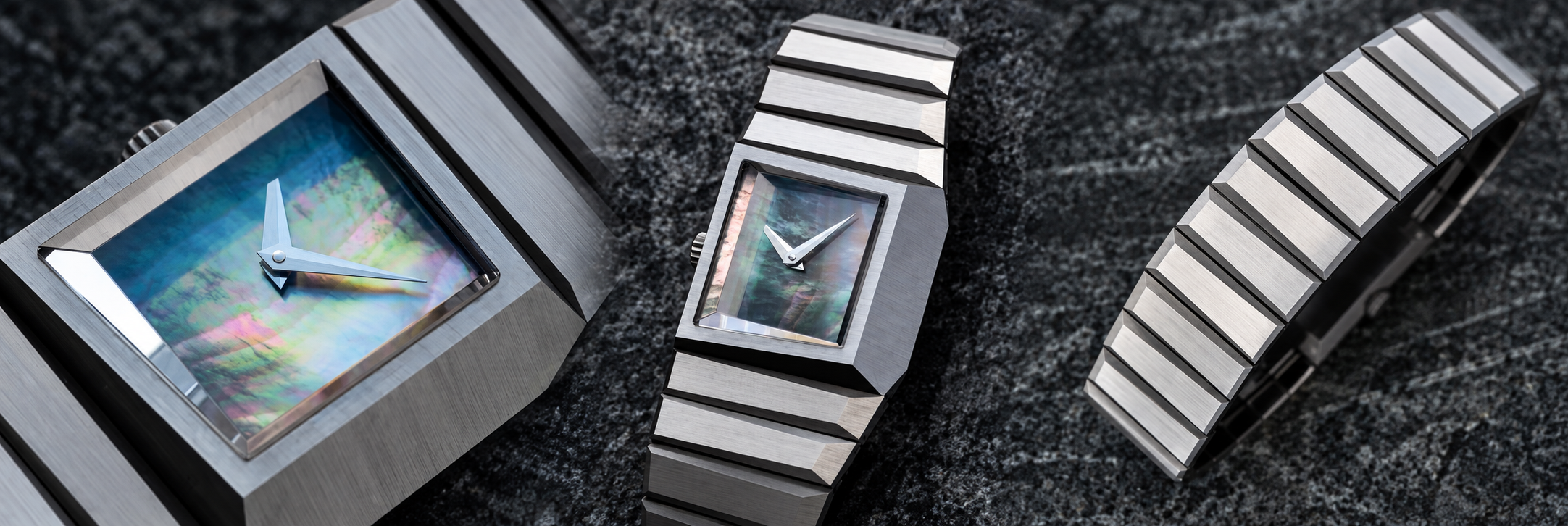
The B/1.2 took the original concept and introduced a rather different personality. Out went the rich blue lapis, replaced by a beautiful Tahitian mother-of-pearl dial sitting beneath an asymmetrical sapphire crystal.
The distinctive 33.5mm steel case remained, but the change in dial material transformed the overall character of the watch.
Mother of pearl has a wonderful ability to play with light. Depending on the angle, it can appear subtle and almost monochromatic before suddenly revealing flashes of colour.
This particular model has a special place in my collection. I own a B/1.2, and it's fair to say that it represents something of a departure from my usual watch-buying habits.
Historically, I've gravitated towards dive watches. Big, purposeful things with rotating bezels, impressive depth ratings and enough engineering to survive adventures I'm unlikely ever to undertake.
The B/1.2 offers none of that, and that's precisely why I enjoy it. It's a watch that exists primarily to be appreciated as a piece of design. The way the bracelet flows into the case, the unusual crystal and the constantly changing dial all work together beautifully.
It's also a reminder that a watch doesn't need to be particularly complicated to be interesting. Sometimes getting the design right is more than enough.
Gold Ripple: Texture Takes Over
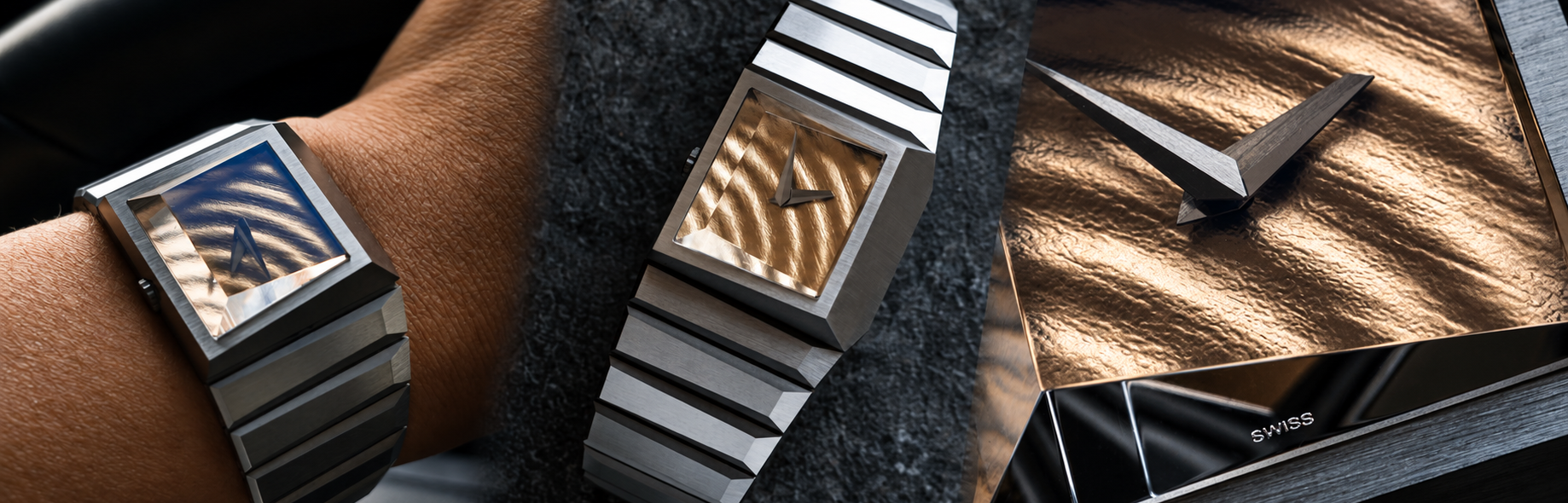
Next came the B/1.3r Gold Ripple, which demonstrated that Toledano & Chan wasn't content simply to experiment with different dial colours.
This time, the brand introduced a solid 18ct gold ripple dial, paired with a Grade 5 titanium case and bracelet. It’s proportions evolved, too, while Swiss manufacture marked another step in the development of the collection.
The result was a watch that felt more sculptural than ever. Where the lapis dial had delivered colour and the mother of pearl offered shifting reflections, the Gold Ripple was all about texture.
Its beautifully patterned gold surface brought an entirely different dimension to the familiar architectural case. What I particularly appreciated was that the changes extended beyond the dial itself.
The materials, proportions and overall execution had evolved alongside the design. Looking at these three watches together, you begin to see a consistent philosophy emerging.
Strong, recognisable architecture combined with materials that reward closer inspection. Which brings us rather neatly to the Oshinobi.
Oshinobi: The Art of Keeping Something Hidden
The latest creation from Toledano & Chan takes that established design language and turns the experience on its head.
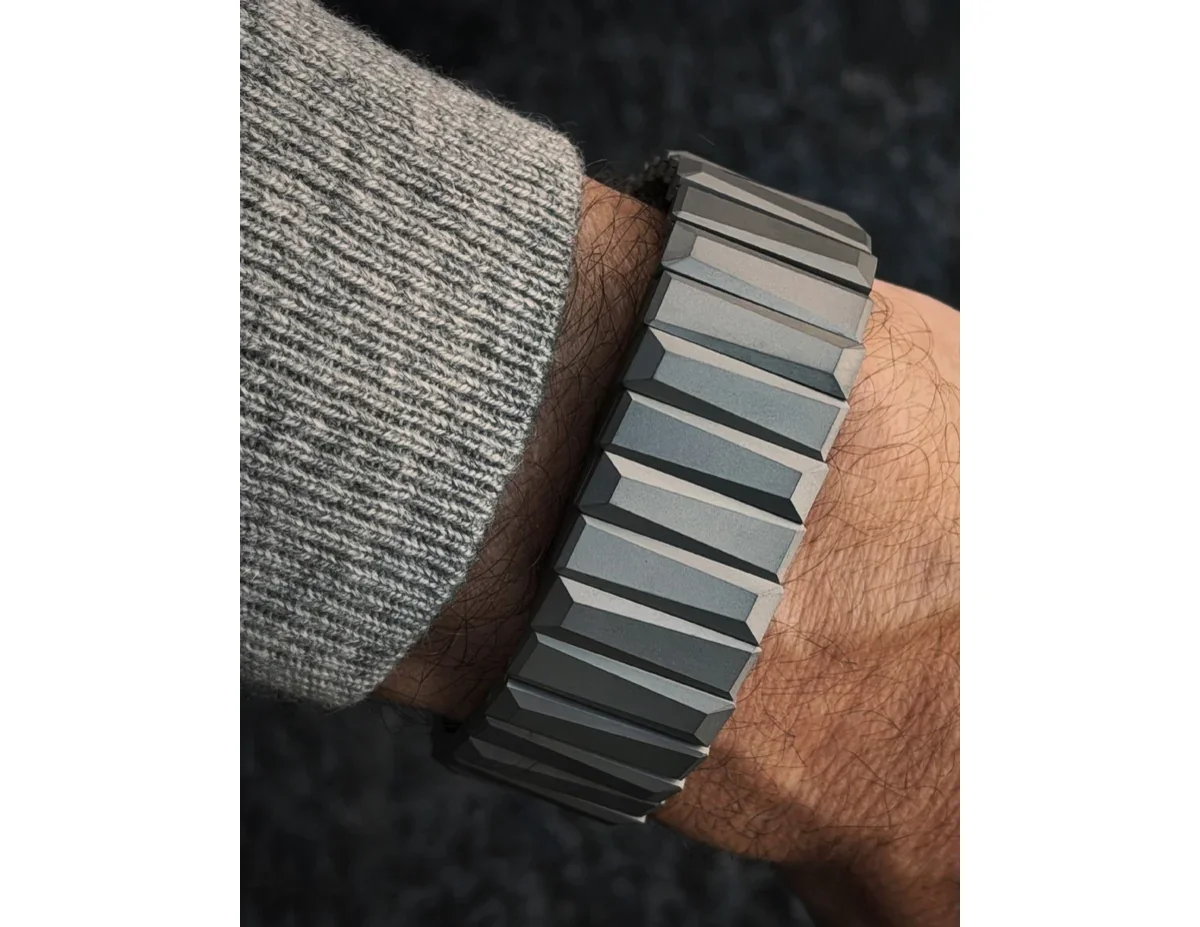
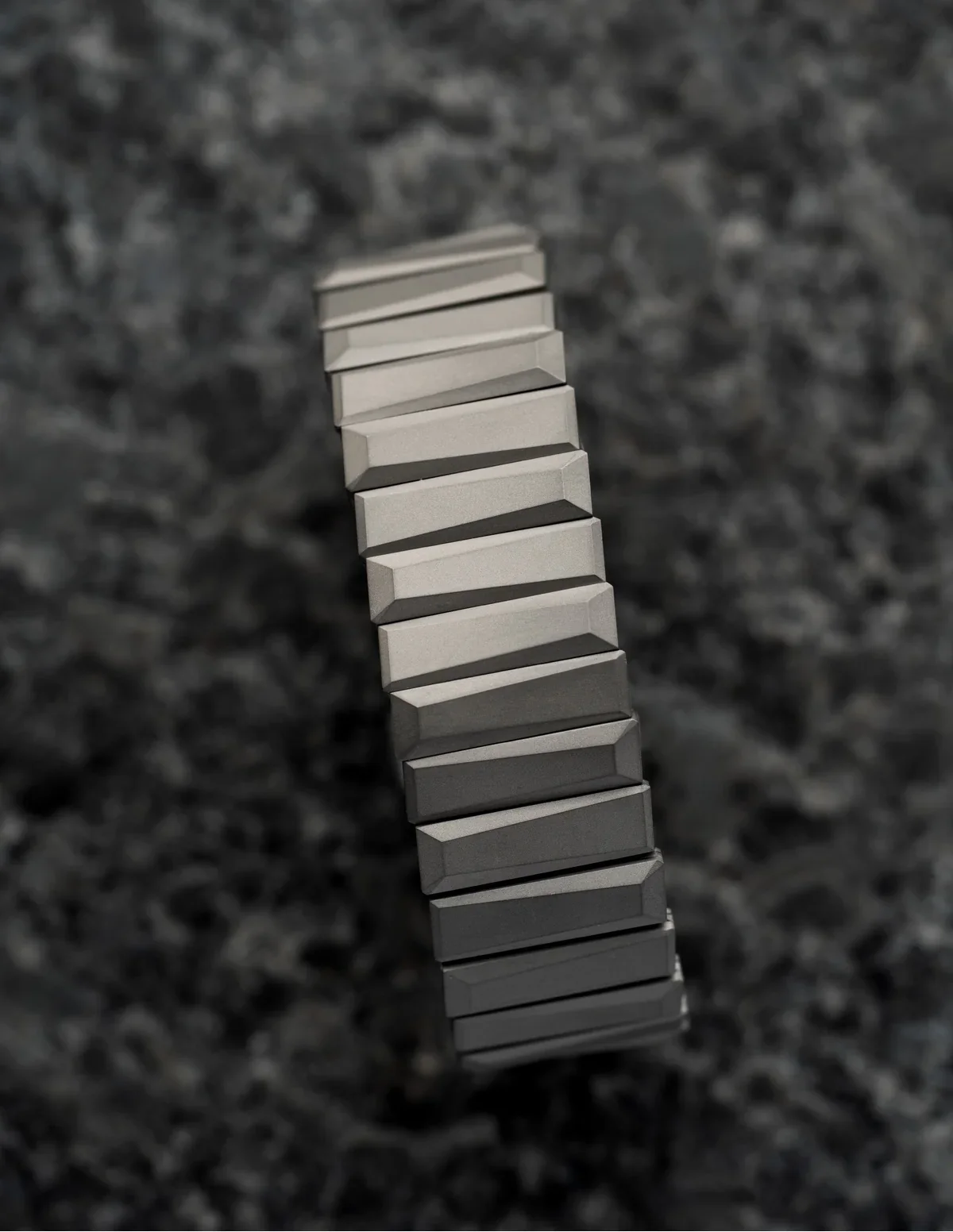
Rather than immediately revealing its most precious feature, the Oshinobi conceals it. Its exterior is deliberately austere, with a sandblasted grey titanium finish and an integrated bracelet that looks almost industrial.
But slide back the cover and an entirely different personality emerges. There, hidden beneath the titanium, is a sparkling diamond-set dial.
Two carats of diamonds, quietly waiting for their moment. It's a fascinating idea, particularly when you consider the inspiration behind it. Vintage hidden-dial bracelet watches, especially those popular during the 1960s and 1970s, often blurred the line between jewellery and watchmaking.
The timepiece was concealed within what appeared to be an elegant bracelet, only revealing itself when required. The Oshinobi takes that concept and reinterprets it through Toledano & Chan's unmistakably modern, architectural design language.
There's also a more contemporary consideration. Wearing an obviously expensive watch can attract unwanted attention, particularly when diamonds are involved. The Oshinobi offers a different approach. From the outside, it looks relatively discreet. The more extravagant details remain hidden until the wearer chooses to reveal them.
Of course, a concealed dial doesn't guarantee security, but the concept adds an interesting degree of control over how the watch presents itself. Even the name is fitting. Oshinobi draws on the Japanese idea of travelling incognito, particularly someone of importance moving without drawing attention to themselves.
Rather appropriate for a watch with two carats of diamonds hiding beneath its sleeve.
A Watch Designed for the Big Reveal
One of the things I enjoy most about collecting watches is the conversations they create. We've all experienced it.
Someone spots an interesting watch on your wrist, asks what it is, and before you know it, the watch is off and being passed around for closer inspection. It's one of those little rituals that makes this hobby so enjoyable. I can imagine the Oshinobi taking that experience to another level.
Picture the scene.
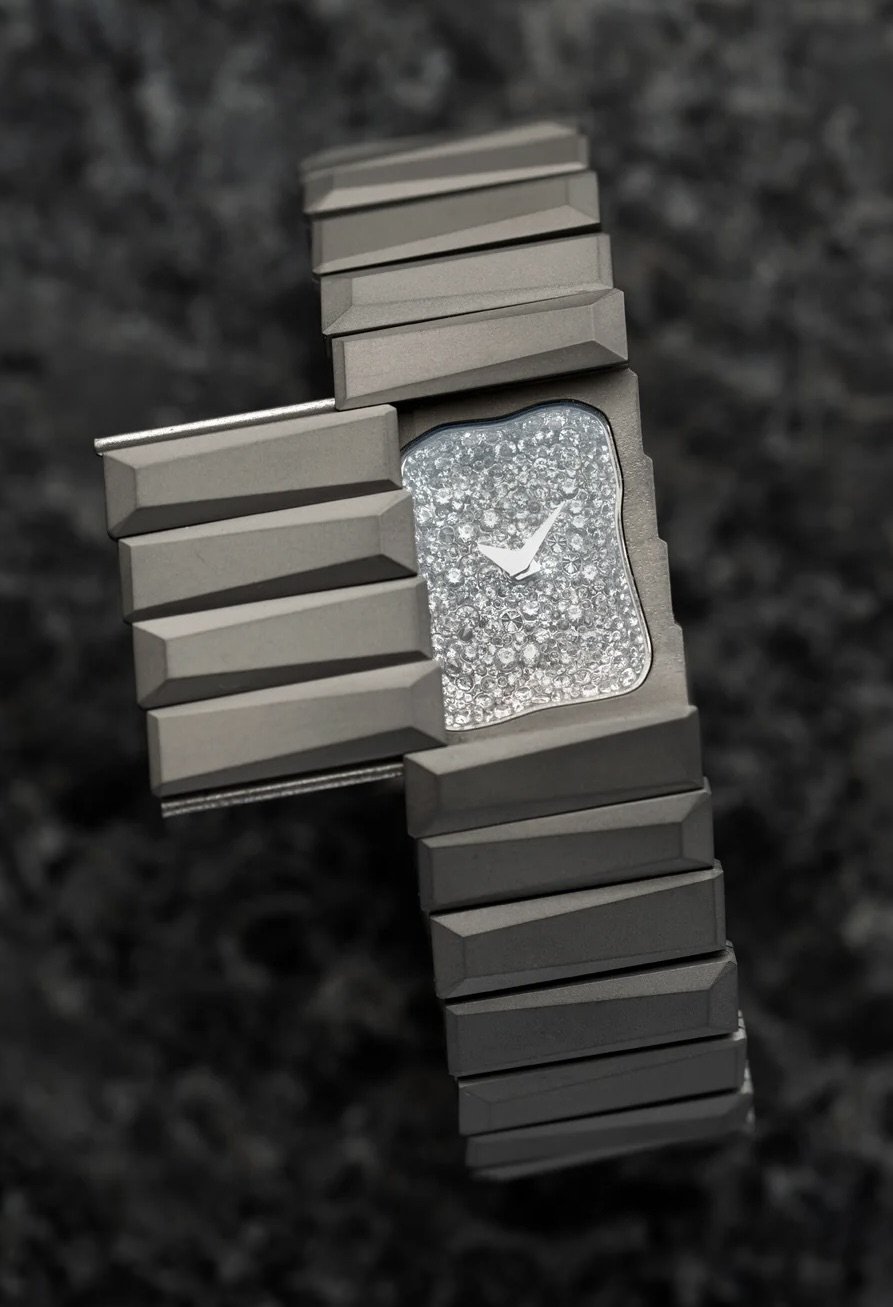
Someone asks what you're wearing. You show them what appears to be a rather understated titanium bracelet. Then, with a quick slide of the cover, you reveal a dial covered in diamonds.
It's a lovely piece of theatre, and that's what makes the design so appealing to me.
The sliding mechanism isn't simply a technical novelty. It's part of the personality of the watch and changes how the owner interacts with it. There's something wonderfully playful about that.
Which brings me back to the idea of horological lingerie. The most extravagant part remains hidden, known only to the person wearing it, until they decide it's time for the reveal.
Is it slightly ridiculous?
Probably. But then, let's be fair, very little about collecting mechanical watches is entirely rational. That's half the fun.
Watch Brothers Thoughts
Diamonds rarely lead my watch shopping list. The Oshinobi makes them considerably more interesting by giving them a place in a considered design.
The contrast between an austere exterior and a sparkling interior is appealing, but the concept also adds a human element. There is nostalgia for hidden-bracelet watches, a response to contemporary concerns, and an understanding of how enthusiasts interact.
That does not settle the practical questions. I would want to try the sliding cover, assess the bracelet on the wrist and see how easily the exposed dial reads. A clever concept still has to work as an object.
My B/1.2 remains the natural everyday favourite. Its mother of pearl is always there to enjoy. The Oshinobi offers something different: the pleasure of keeping a detail to yourself, then sharing it.
The first Oshinobi is a prototype destined for the TimeForArt auction at Phillips on 5 December 2026, supporting the Swiss Institute. A limited production version is also planned for 2027.
From lapis to mother of pearl, then gold ripple and now hidden diamonds, Toledano & Chan continues to develop its ideas without losing its identity. The Oshinobi feels like a new chapter in that exploration.
It also gives the familiar phrase “let me show you my watch” a rather better punchline.