
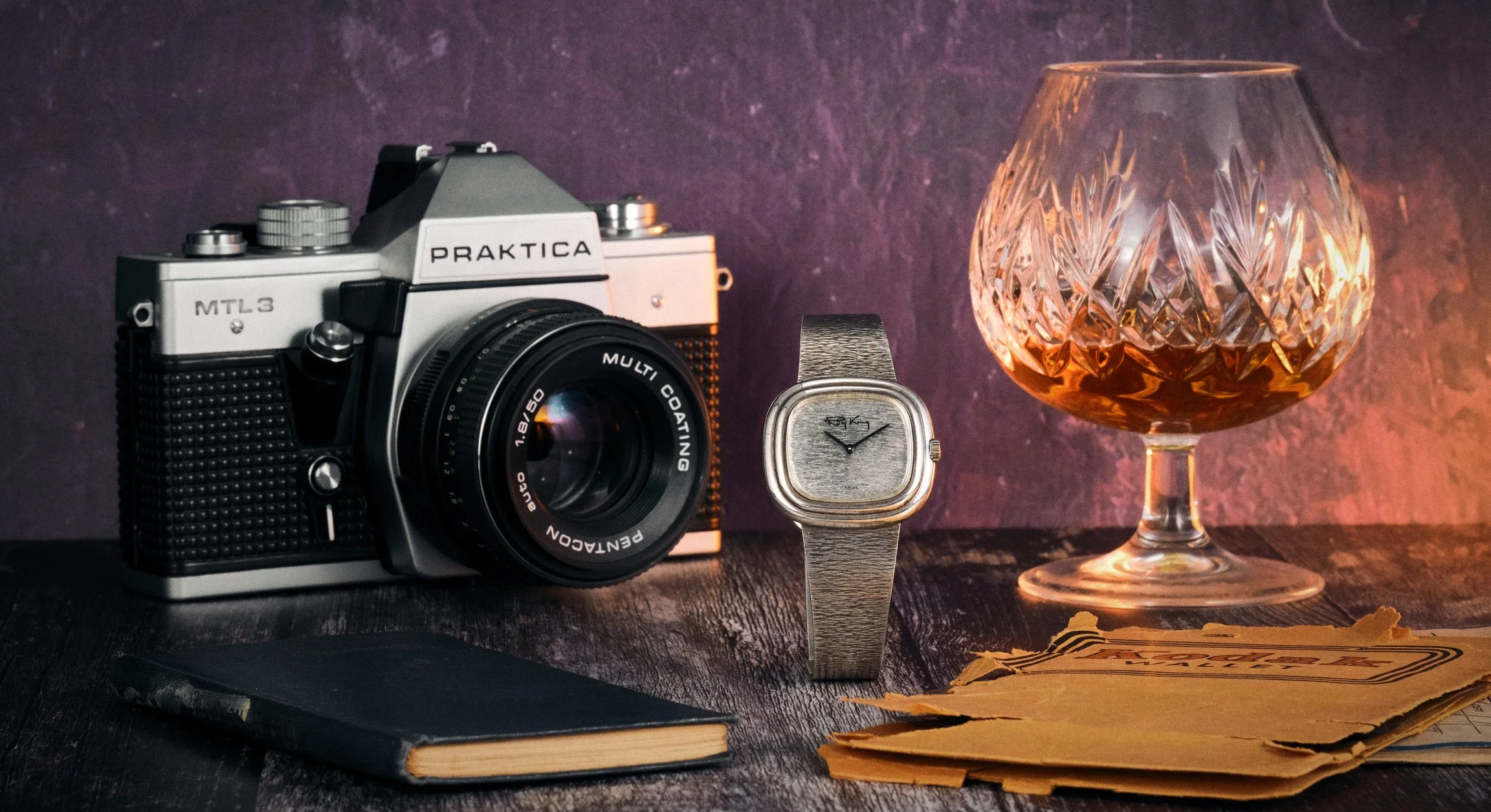
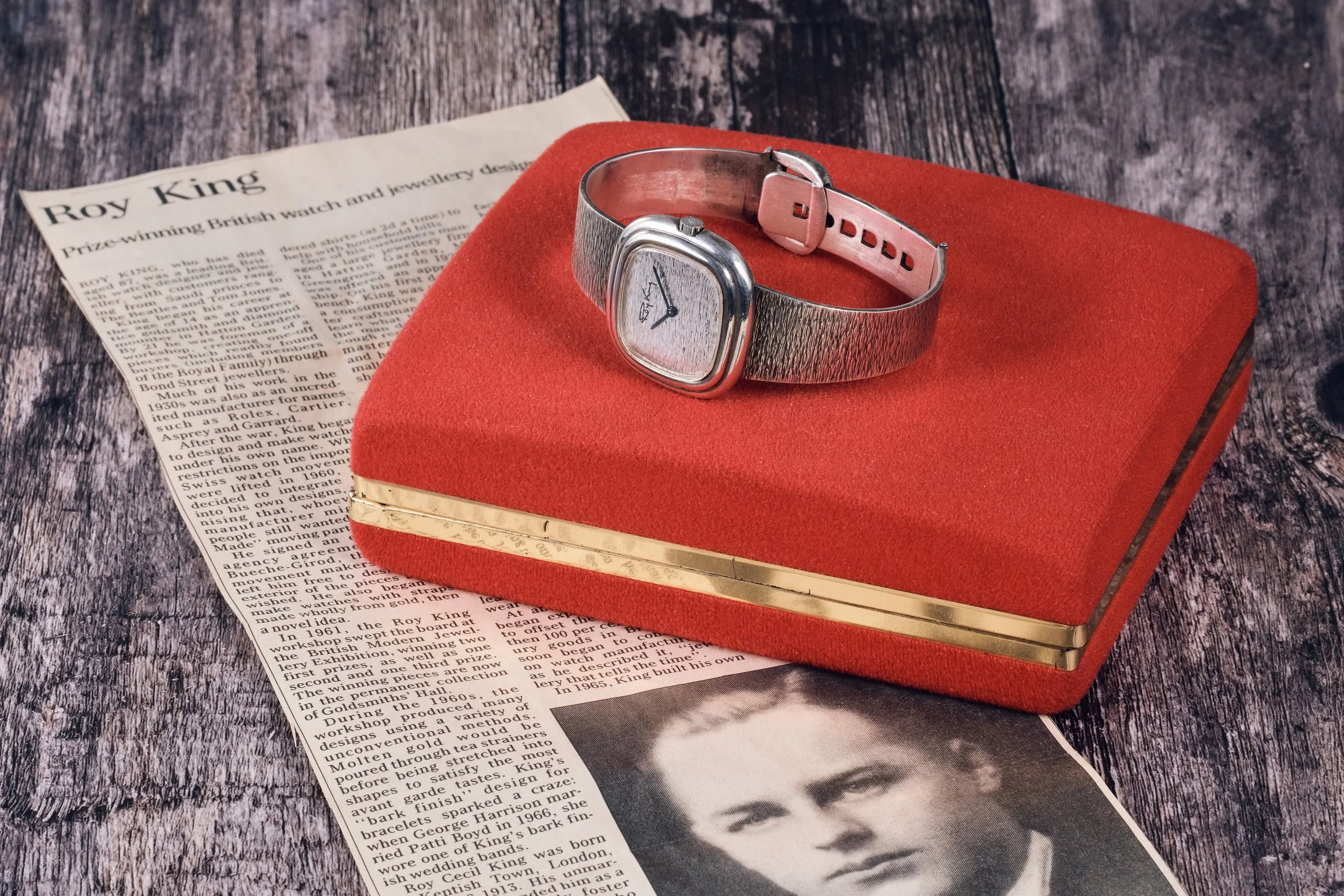
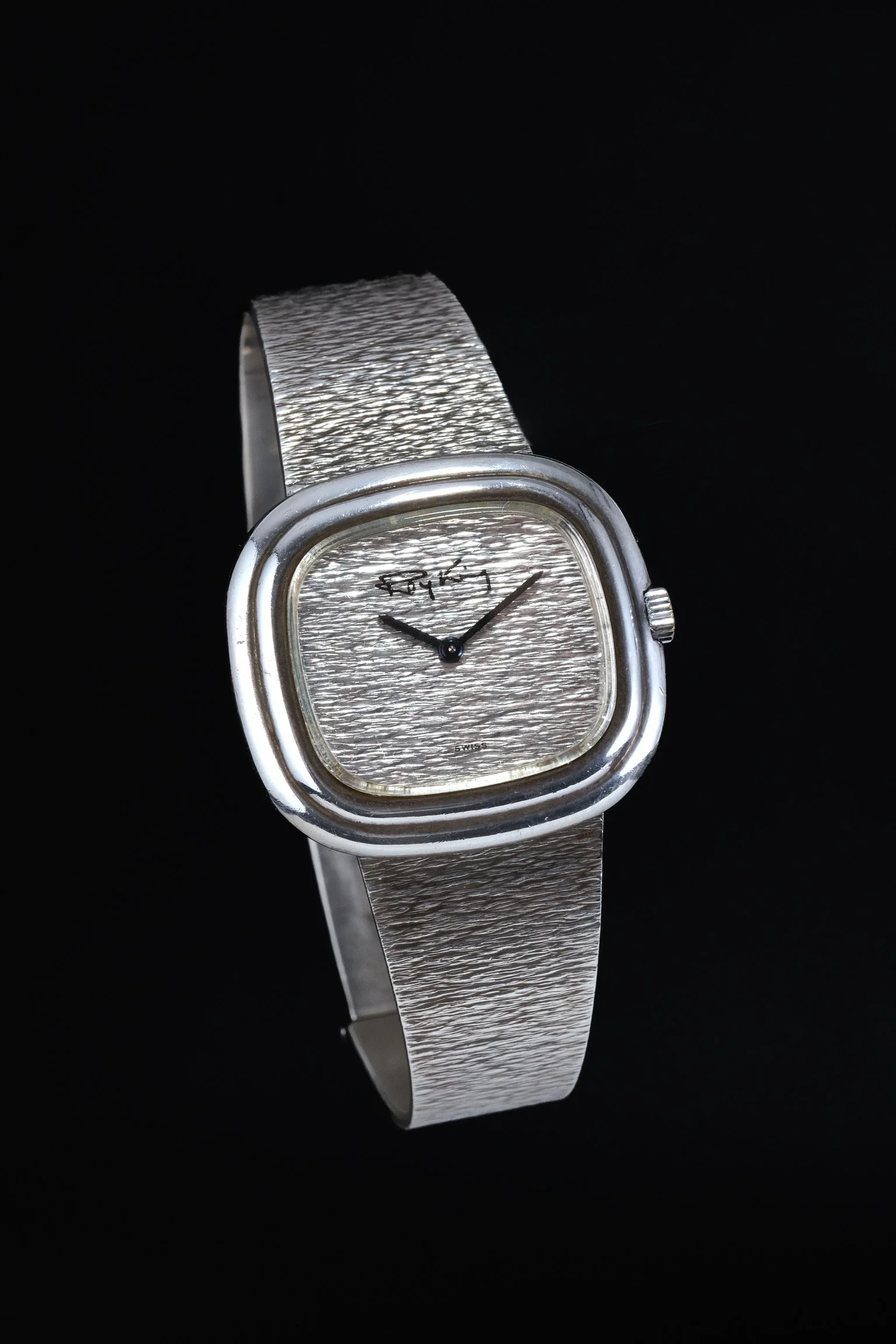
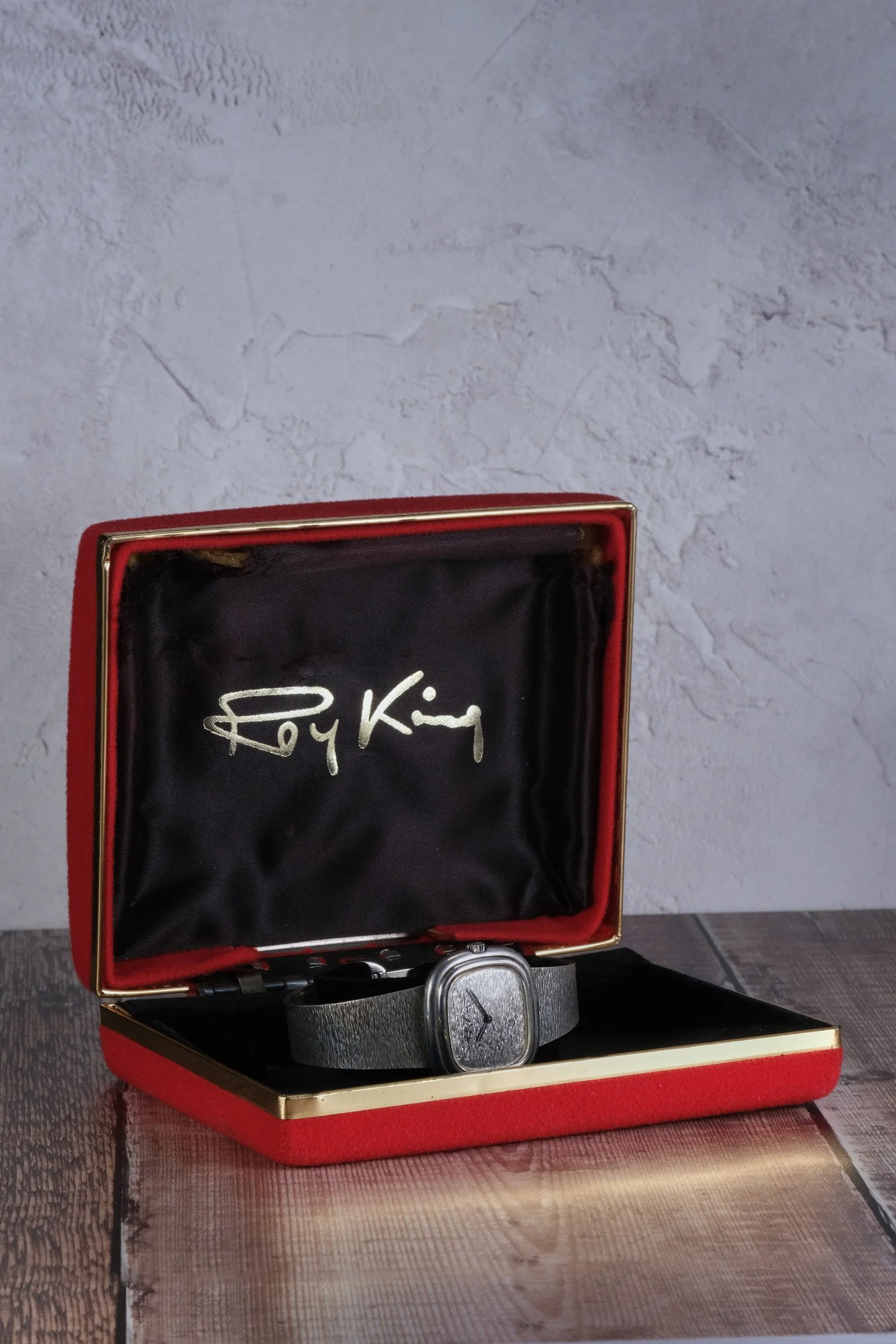
There’s something wonderfully British about Roy King. A touch of grit, a streak of showmanship, and just enough rebellion to rattle the old guard. By the time he died aged 87, King had dressed Saudi princes, counted members of The Beatles among his clients, and built a watchmaking empire that fused Hatton Garden craftsmanship with Swiss precision. He liked to call his watches “jewellery that tells the time.” That phrase alone tells you everything.
From Tenement Room to Hatton Garden Bench
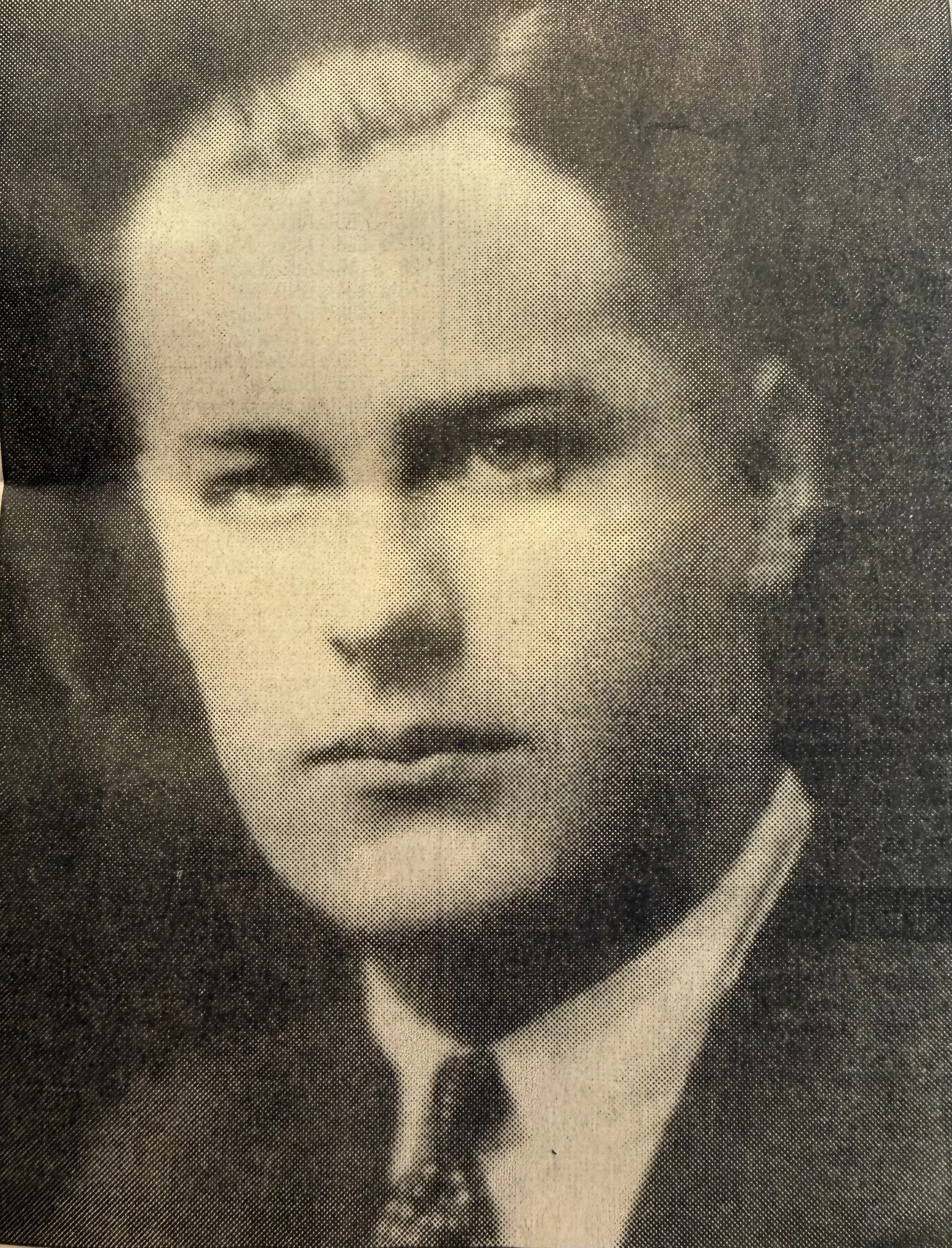
Roy Cecil King was born in Kentish Town in 1913, handed over as a baby to an elderly foster mother, and raised in circumstances that could have easily swallowed him whole. His early years were defined by poverty, influenza, and uncertainty. At one point, it seemed he might be taken in by Dr Barnardo’s.
Instead, at 14, he found himself in Hatton Garden, apprenticed to MJ Greengross. On his first day, he was placed beside a dying Italian master craftsman and told, in effect, to absorb perfection quickly. The man would smash substandard work with a mallet. It was brutal schooling. It was also formative.
Evenings were spent at Sir John Cass Art School refining his diamond mounting skills. Spare time was devoted to jazz piano and comic MC work. That duality never left him. Discipline at the bench, flair in the room.
By 21, he was foreman of a workshop producing one off pieces that quietly filtered through Bond Street jewellers to royal clients. Much of his pre war work was uncredited manufacturing for houses such as Rolex, Cartier, Asprey and Garrard. He was shaping luxury long before his name appeared on the dial.
War, Engineering, and the Machine Tool Mindset
During the Second World War, King became a planning engineer on the Hurricane production line, eventually leading a 100 strong department at de Havilland. This period mattered enormously. The precision, repeatability, and efficiency of wartime engineering would later feed directly into his watch and jewellery manufacture. King was never just an artist. He understood systems. Processes. Scaling quality without diluting it.
That blend of artisan and engineer would become a hallmark of his operation in Watford, where he eventually employed 65 staff producing 25,000 gold and silver pieces a year. Impressive numbers, particularly in an era when British watchmaking was hardly dominating the global stage.
Swiss Movements, British Identity
Post war Britain imposed restrictions on Swiss movement imports. When those restrictions lifted in 1960, King moved quickly. He recognised a simple truth. However beautiful the case, customers still wanted “Swiss Made” beating inside.
He signed an exclusive agency agreement with Bueche-Girod, integrating Swiss movements into his own distinctive cases. In doing so, he anticipated a model that many modern independents now follow. Outsource the movement. Control the design language. Make the exterior unmistakably yours. Long before today’s microbrand boom, King understood brand authorship.
The Bark Finish and the Avant Garde Sixties
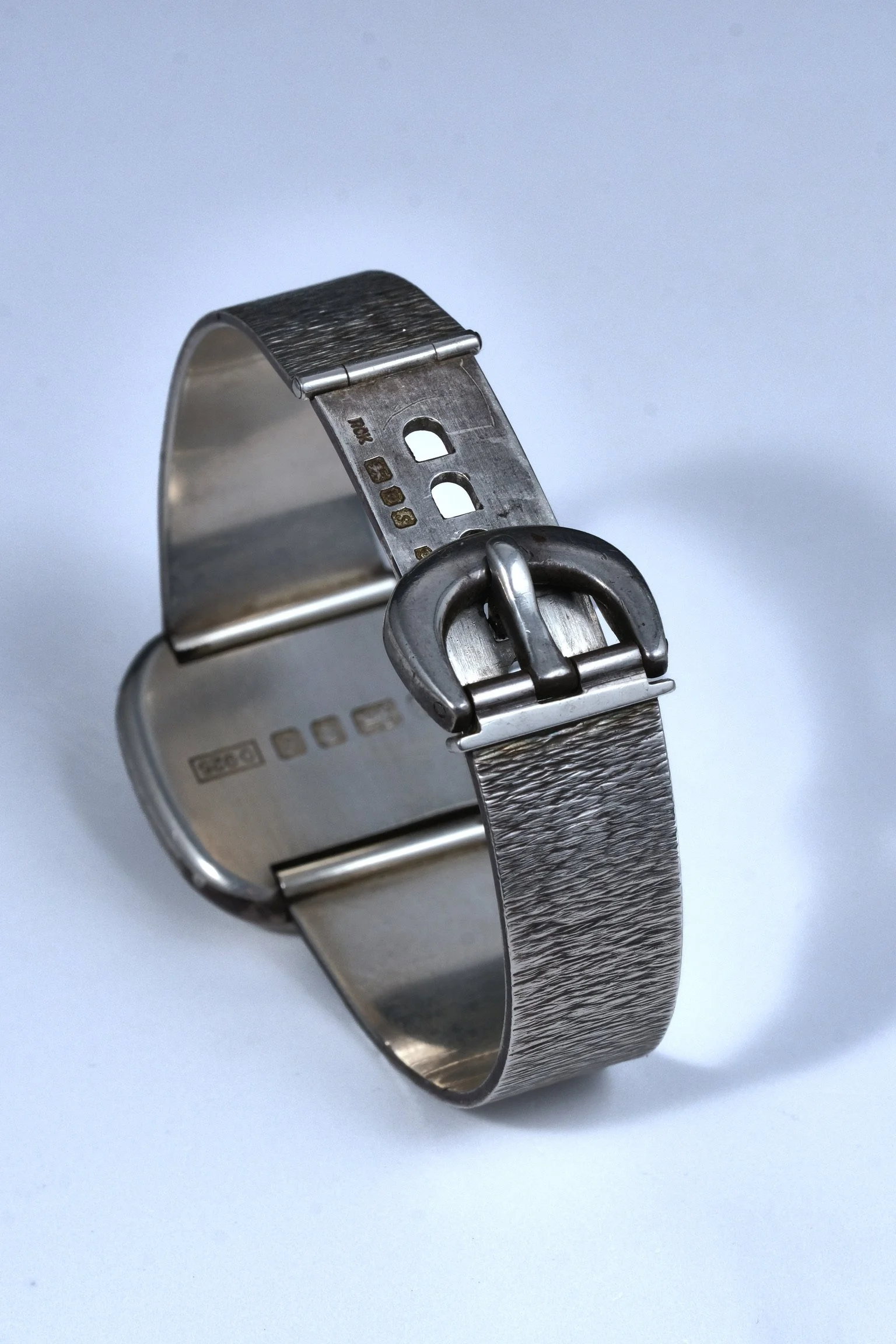
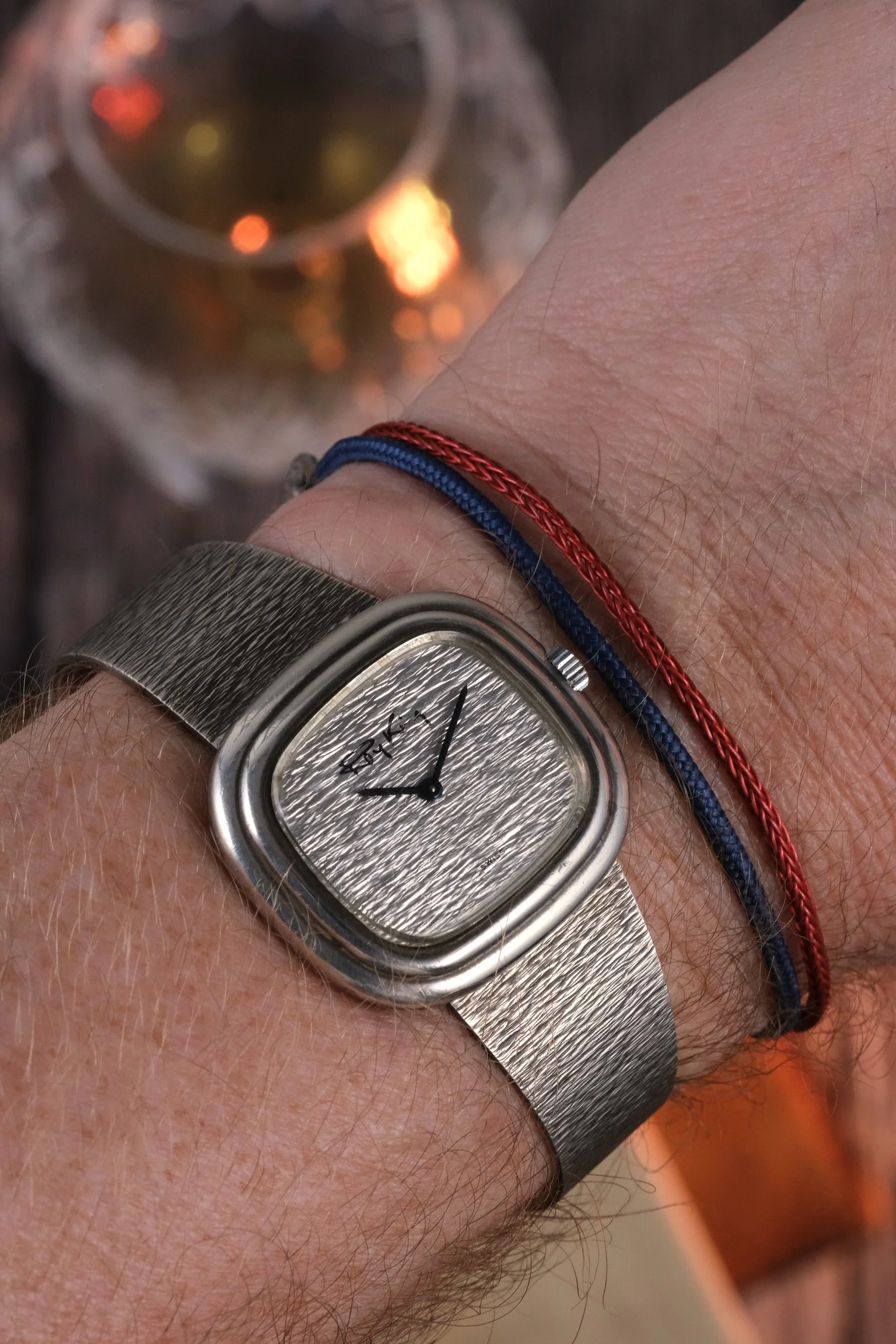
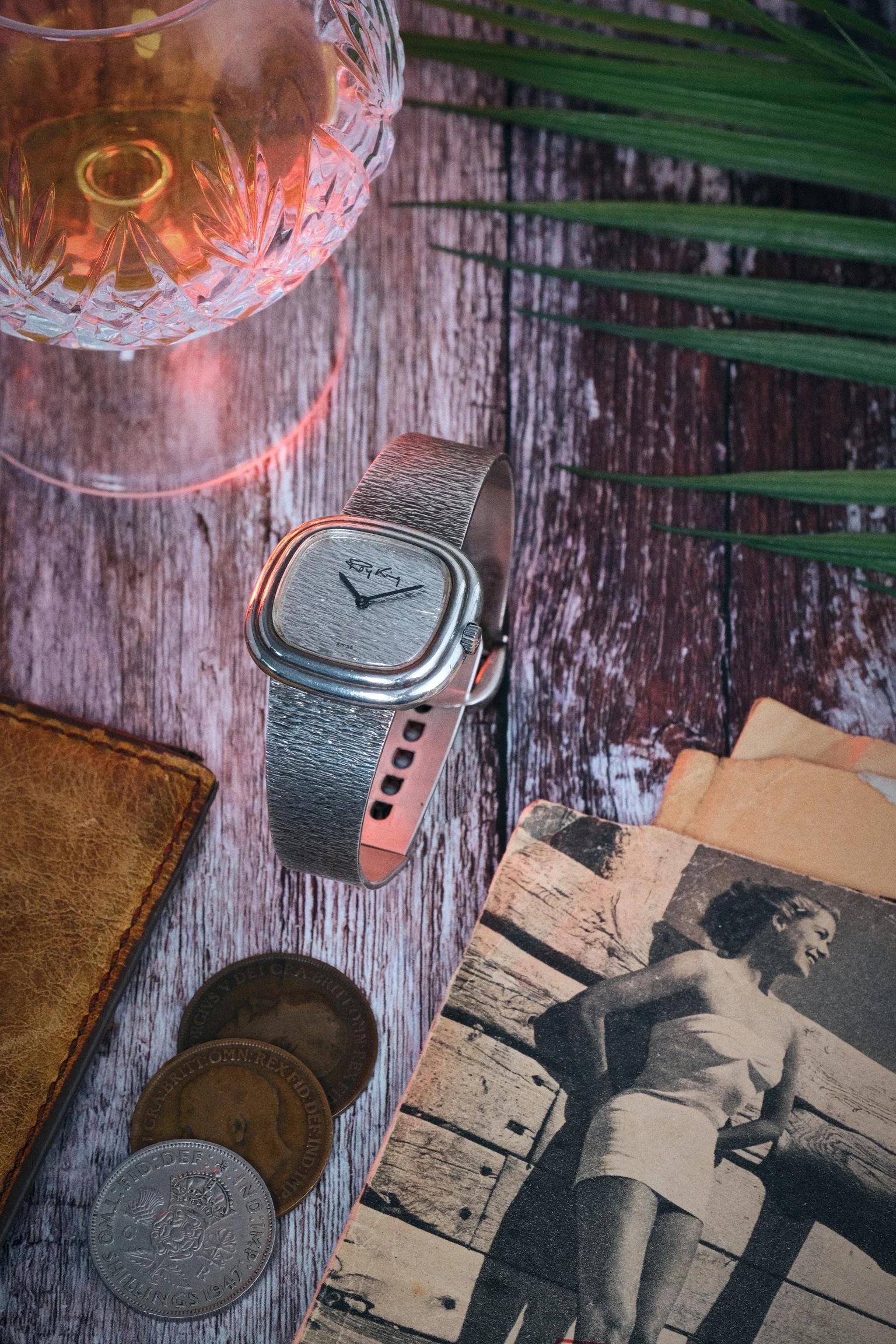
If the 1950s were about establishing credibility, the 1960s were about making noise. King experimented with unconventional techniques, pouring molten gold through tea strainers before stretching it into sculptural forms. His “bark finish” bracelet design sparked a genuine craze. When George Harrison married Patti Boyd in 1966, she wore one of King’s bark finish wedding bands.
That moment sealed his cultural relevance. He wasn’t simply supplying jewellery. He was part of the visual language of the era. In 1961, his workshop swept the British Modern Jewellery Exhibition, with winning pieces entering the permanent collection at Goldsmiths’ Hall. By 1971, he had received a National Export Council Award and became a Freeman of the City of London. All from a boy who once delivered hand laundered shirts for two pence apiece.
La Montre Royale de Genève: Luxury Without Apology
In 1973, King acquired the Swiss company La Montre Royale de Genève. The resulting 18 carat gold and platinum watches, often with malachite or onyx dials, were among the most opulent of their time. They found eager buyers in the Middle East, where colour and precious stone dials resonated deeply. In hindsight, this was another forward thinking move. Today, stone dials are enjoying renewed popularity among collectors. Back then, King was already there.
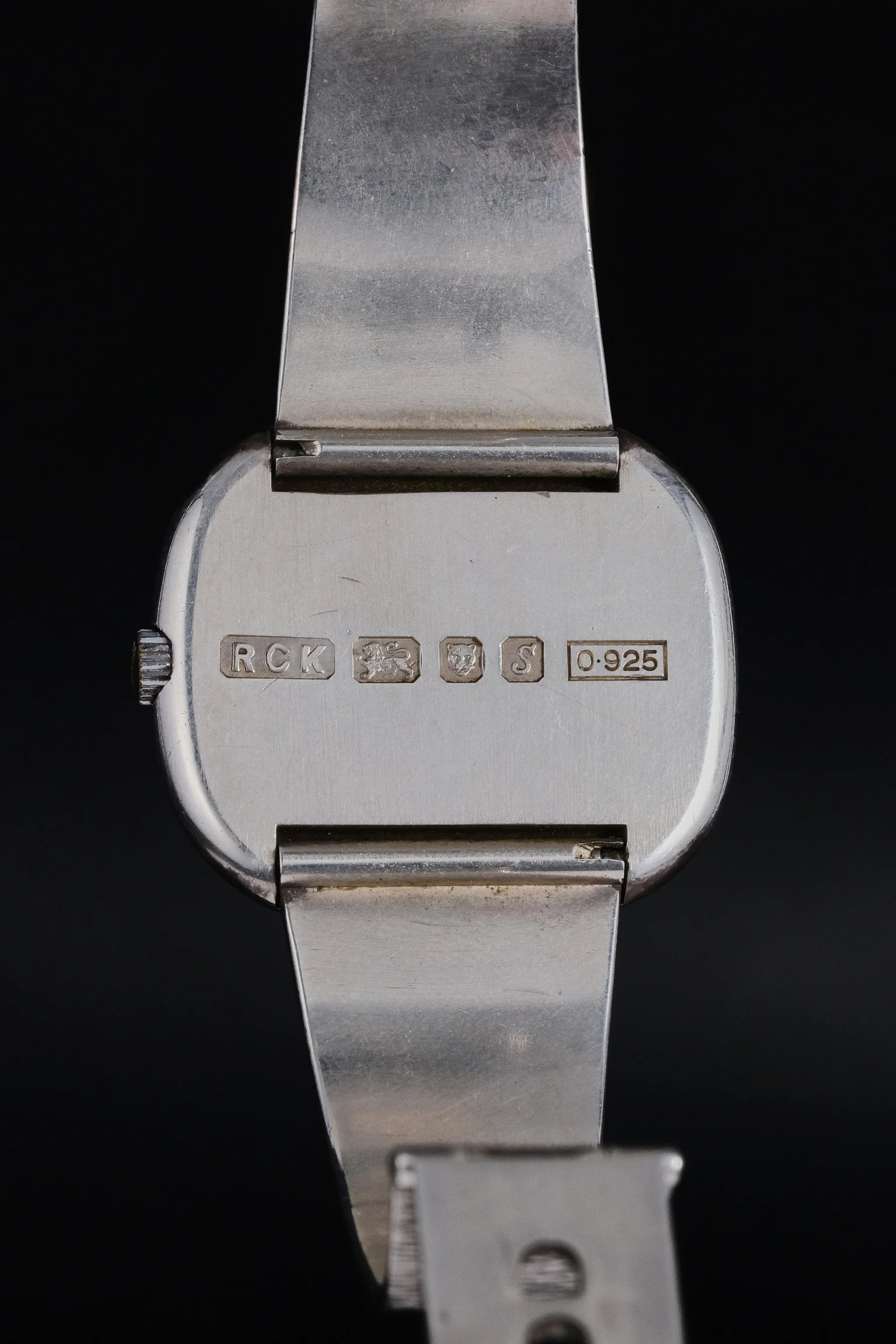
He celebrated his 60th birthday with a one man show at Goldsmiths’ Hall and the launch of a silver watch collection. Later, in Mayfair, he opened a showroom where he entertained clients by singing Cole Porter and Gershwin between commissions. He kept a bench on site and continued crafting one off pieces well into his eighties.
That image is hard to resist. A white Rolls Royce outside. Jazz drifting through the showroom. A gold case taking shape under steady hands.
His Significance in Today’s Watch World
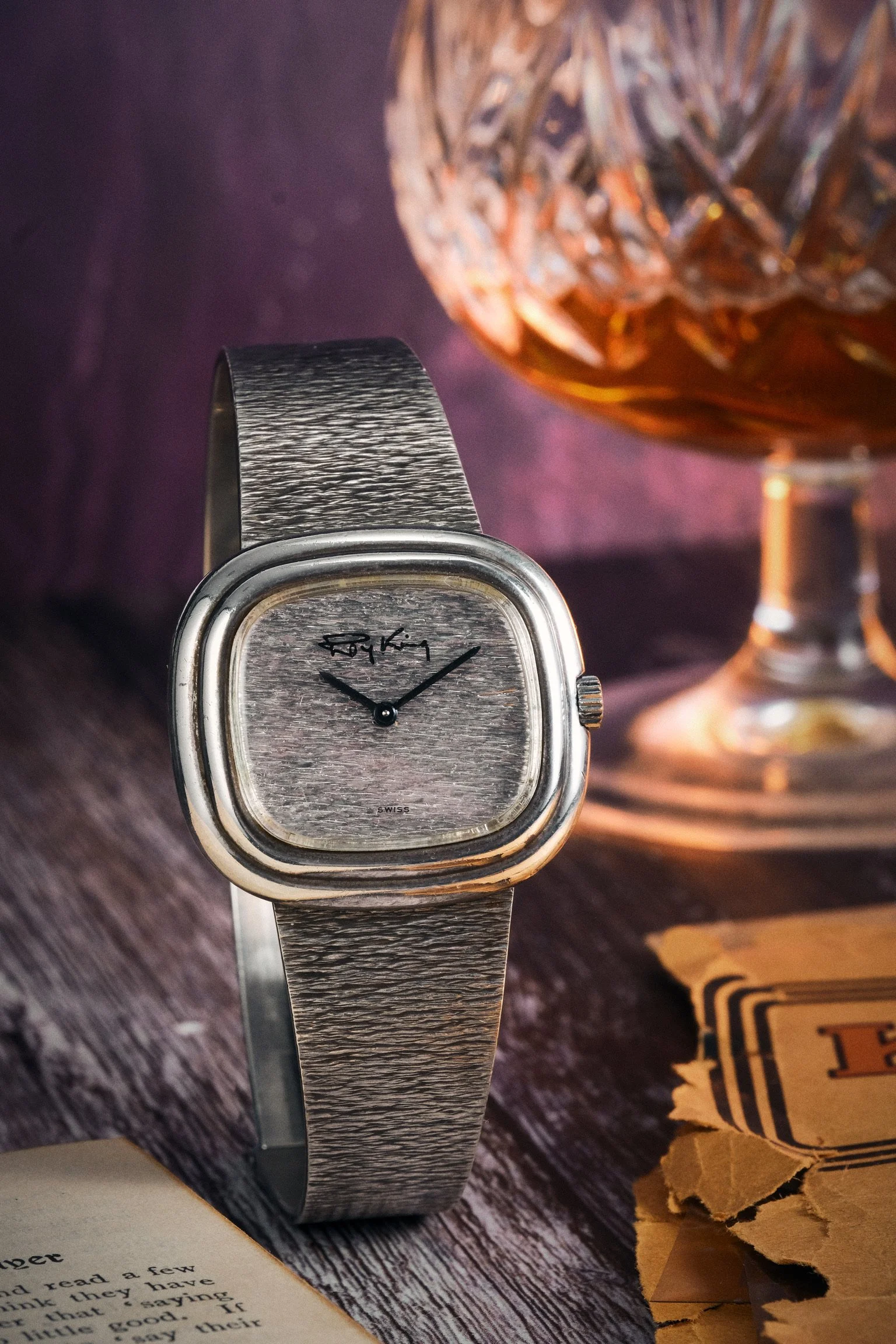
So where does Roy King sit in the modern conversation? First, he represents a lost chapter of British watchmaking. Before the current revival, before the design led independents and small batch ateliers, there was King. He proved that Britain could produce watches that were luxurious, export ready, and culturally relevant.
Second, his model feels strikingly contemporary. Swiss movements paired with bold, locally designed cases. Strong aesthetic identity. Limited runs. Direct relationships with high profile clients. Replace Hatton Garden with Instagram and the blueprint still works.
Third, he blurred the line between jewellery and horology. In an era when tool watches dominate enthusiast forums, King reminds us that watches can be expressive objects first and instruments second. That idea has resurfaced in modern design driven brands who see the wrist as a canvas.
Finally, there’s the personal story. Apprenticeship. Relentless standards. Engineering discipline. Showmanship. King embodied the complete craftsman. He was as comfortable entertaining in Mayfair as he was sweating over a bench.
In today’s fragmented watch landscape, where storytelling often feels manufactured, Roy King’s narrative feels earned. Every accolade traced back to that cramped tenement room and a mallet wielding Italian master demanding perfection.
That is not just history. It is foundation. And for modern British watchmakers seeking lineage, Roy King offers something precious. Proof that ambition, when paired with skill and nerve, can turn jewellery that tells the time into something far more enduring.