For all the innovation happening within the watch industry, from advanced materials to cutting edge manufacturing, watch events themselves have often remained surprisingly traditional. Visitors arrive, wander between tables, collect a handful of brochures, exchange business cards and, more often than not, leave having missed half the brands they intended to see.
At this year’s WatchIt Watch Fair, organiser Joshua Clare-Flagg sought to change that.
Now in its fifth edition, the Midlands based event has quietly grown into one of the UK’s most significant enthusiast focused watch gatherings. With 52 brands exhibiting, ranging from established names to independent makers, it has become one of the largest watch fairs in the country. Yet for Joshua, growth alone was not enough. Drawing on his background in web development and technology, he saw an opportunity to modernise the visitor experience and create a platform that benefits attendees, brands and sponsors alike.
From Grassroots Gathering to Britain’s Largest Watch Fair
The WatchIt Watch Fair first launched in 2019, at a time when dedicated watch events in the UK were relatively scarce. “I thought, why not give it a go?” Joshua explains. “Back then there were barely any watch events at all in the UK.”
Based in Rugby, he deliberately chose the Midlands as the event’s home, creating a central location that would be accessible to enthusiasts travelling from across the country. Support from brands such as Christopher Ward helped establish the event’s credibility in its early years, and despite an unavoidable pause during the pandemic, the fair has continued to expand.
This year’s event will welcome close to 400 attendees and 52 exhibiting brands, making it larger than many of the UK’s better known enthusiast watch shows.
The venue itself has also evolved. Learning from previous editions, Joshua has selected a large, open hotel space designed to improve visitor flow, allowing attendees to navigate the event more efficiently. That focus on visitor experience became the catalyst for something much bigger.
Solving a Familiar Watch Show Problem
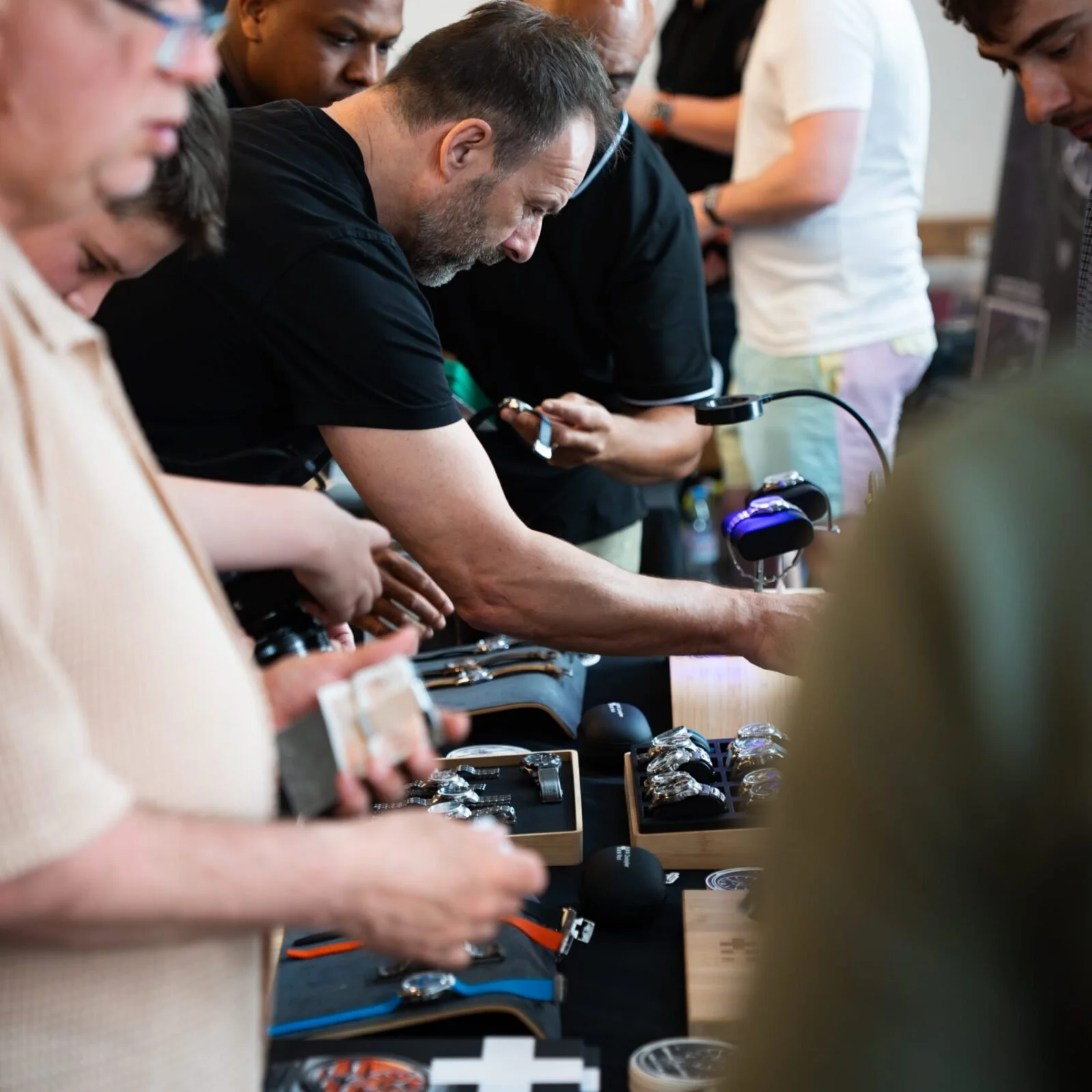
Anyone who regularly attends watch events will recognise the challenge. You arrive with a list of brands you want to visit, spend hours in conversation, get distracted by an unexpected discovery and then realise on the train home that you’ve missed several stands entirely. It’s a problem Joshua has experienced himself. “I want this event to be an event that I’d want to go to as a watch fan first and foremost,” he says.
Initially, he considered creating a traditional paper passport challenge where visitors would collect stamps from exhibitors. The idea was quickly abandoned. “It felt like a lot of faff and a lot of manual labour.” Instead, he built a digital solution.
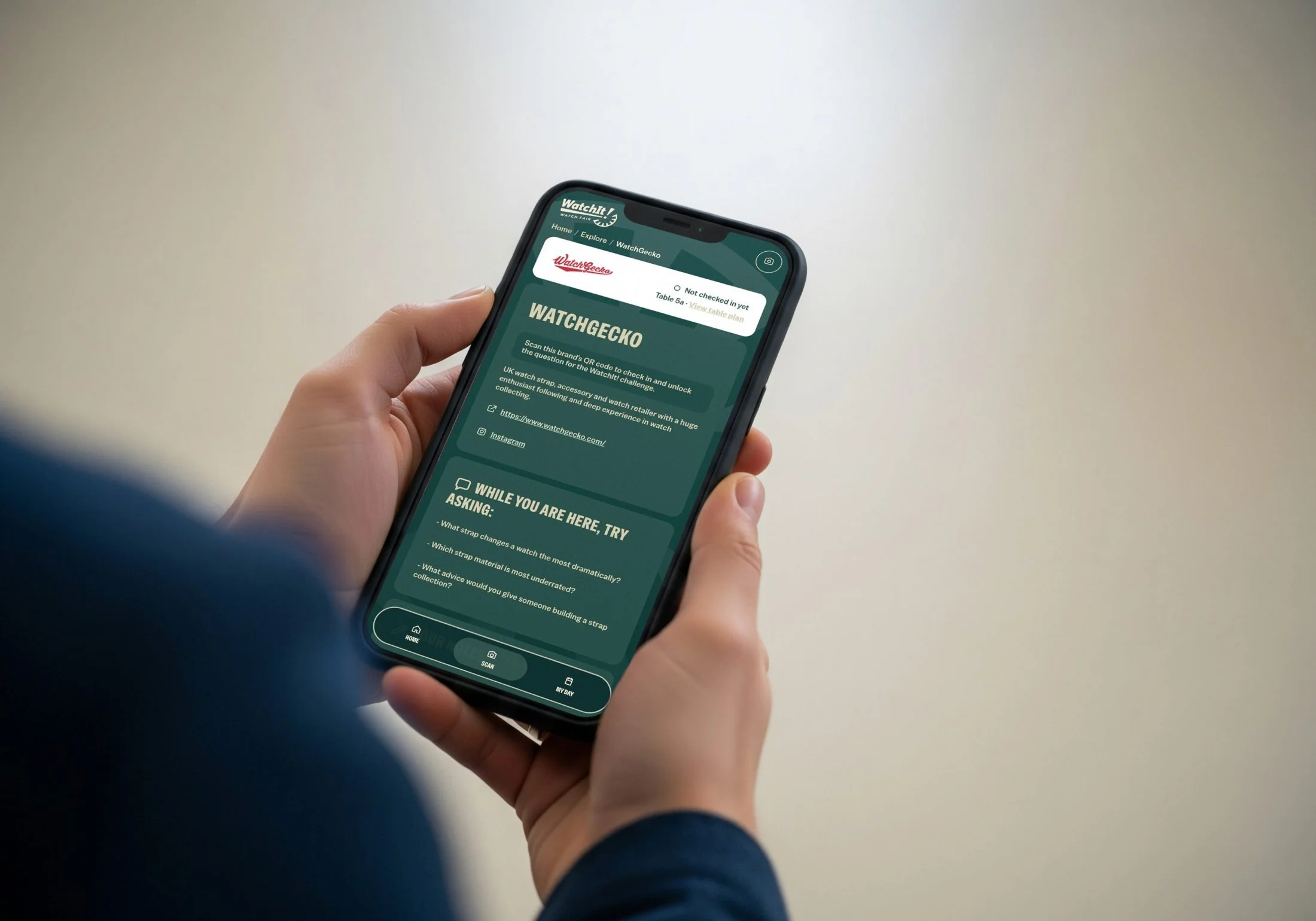
The WatchIt Companion App
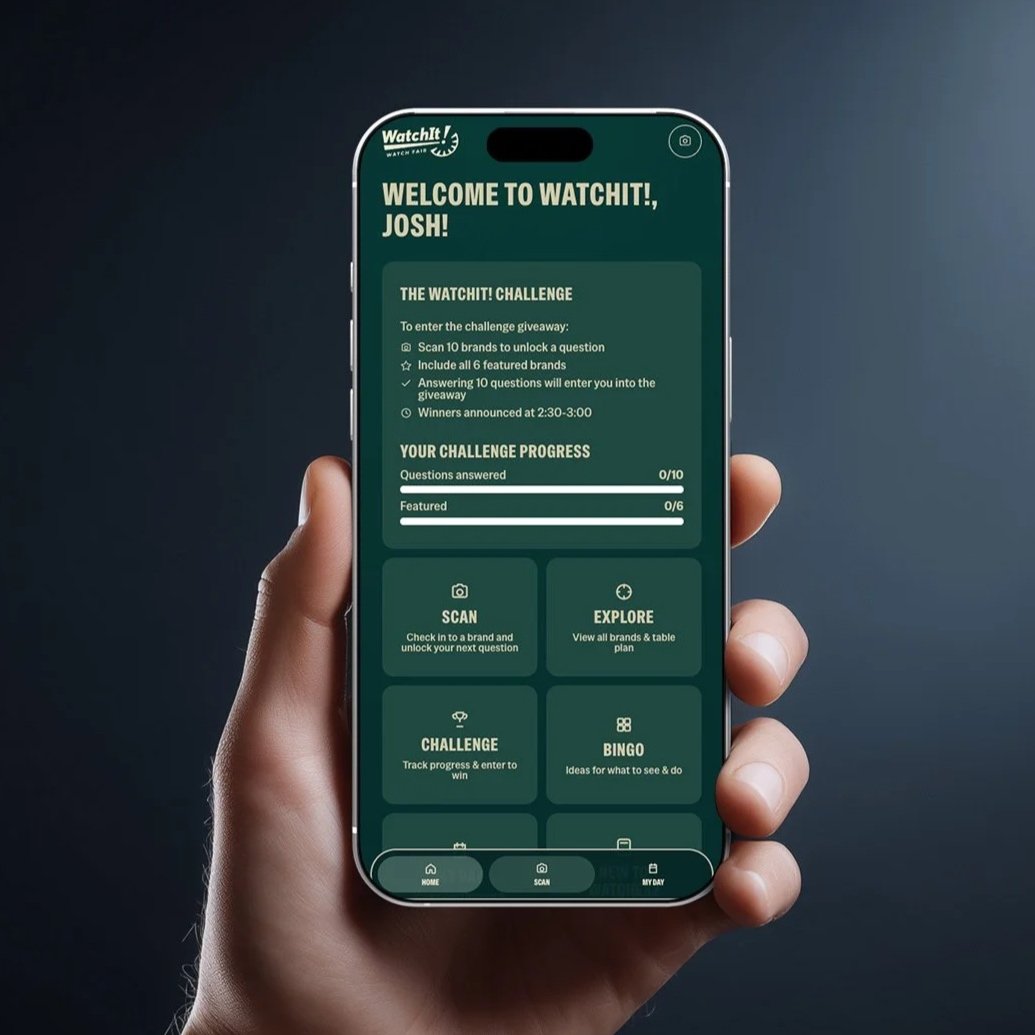
While Joshua describes it as “not really an app” and more of an advanced web platform, the result is arguably one of the most ambitious pieces of technology currently being used at a UK watch event. At its core is a QR code based check in system. Each exhibiting brand has its own code displayed on the stand, allowing visitors to quickly register their visit through the platform. The functionality goes far beyond simply tracking attendance. Visitors can:
Scan brands throughout the day
Create personal shortlists before the event
View a digital floorplan
Access brand information and social links
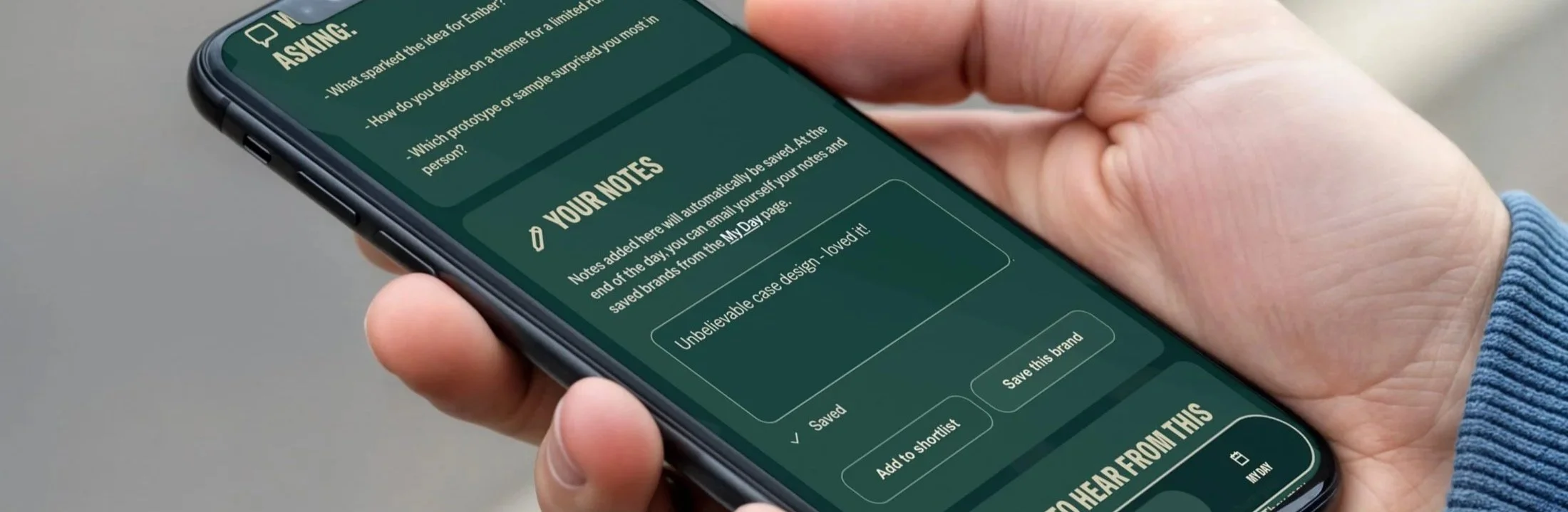
Save notes about watches they’ve tried
Receive personalised summaries after the event
Participate in challenges and giveaways
The goal is simple: help visitors get more value from their day.
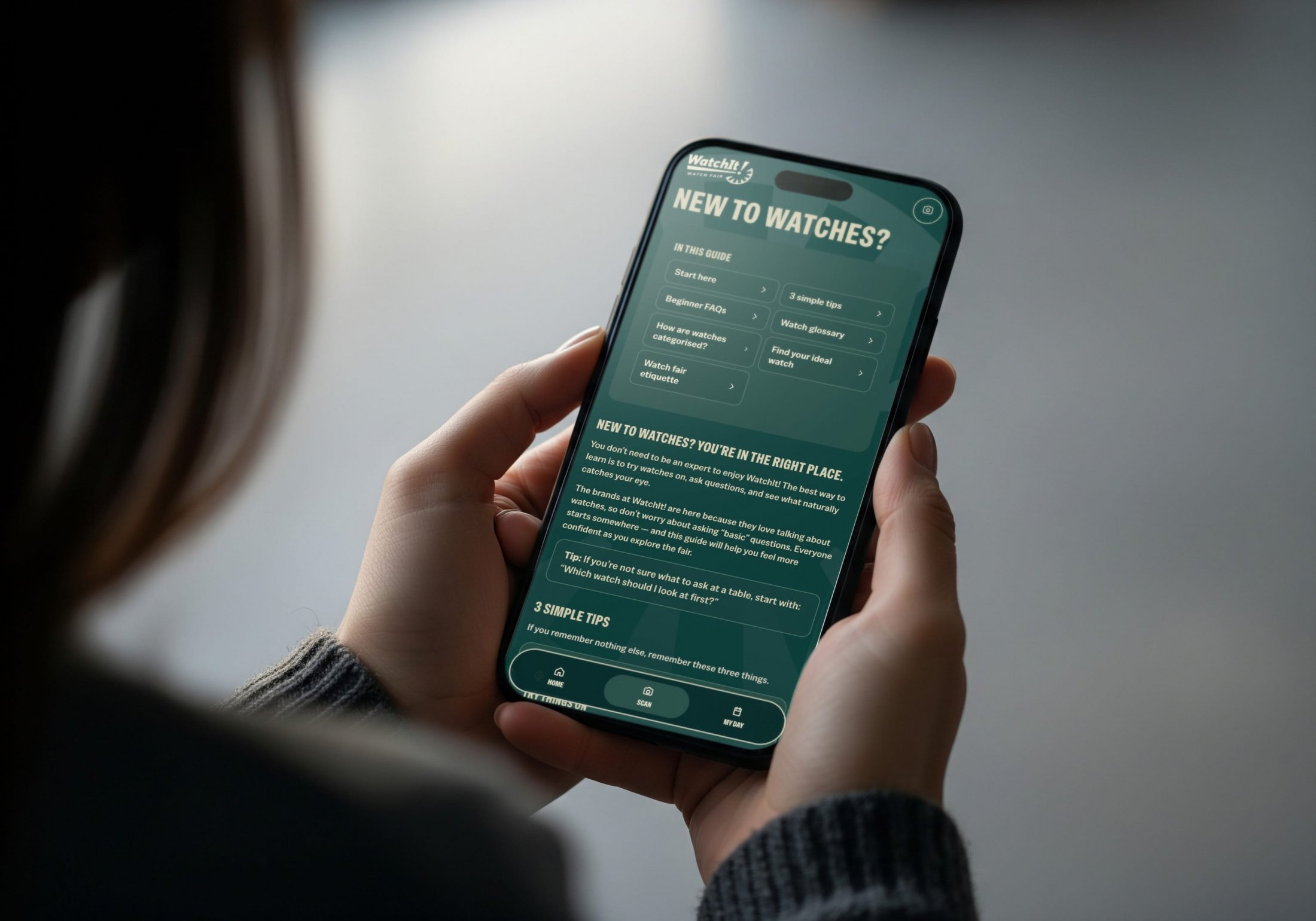
One particularly clever feature is the inclusion of tailored conversation starters for every exhibiting brand. Rather than approaching a stand unsure where to begin, visitors are presented with suggested discussion topics specific to that company. For newcomers to the hobby, there’s also a dedicated educational section featuring a watch glossary, etiquette advice and guidance on getting the most from the event.
Gamifying the Watch Show Experience
Perhaps the most innovative element is the platform’s interactive challenge system. Visitors who scan ten brands, including six sponsor stands, become eligible for a range of prizes, from watches to accessories and merchandise. Rather than gathering crowds for public prize draws, winners are selected automatically through the platform and notified privately. If a visitor wins, they simply visit the relevant stand and present their phone to claim the prize.
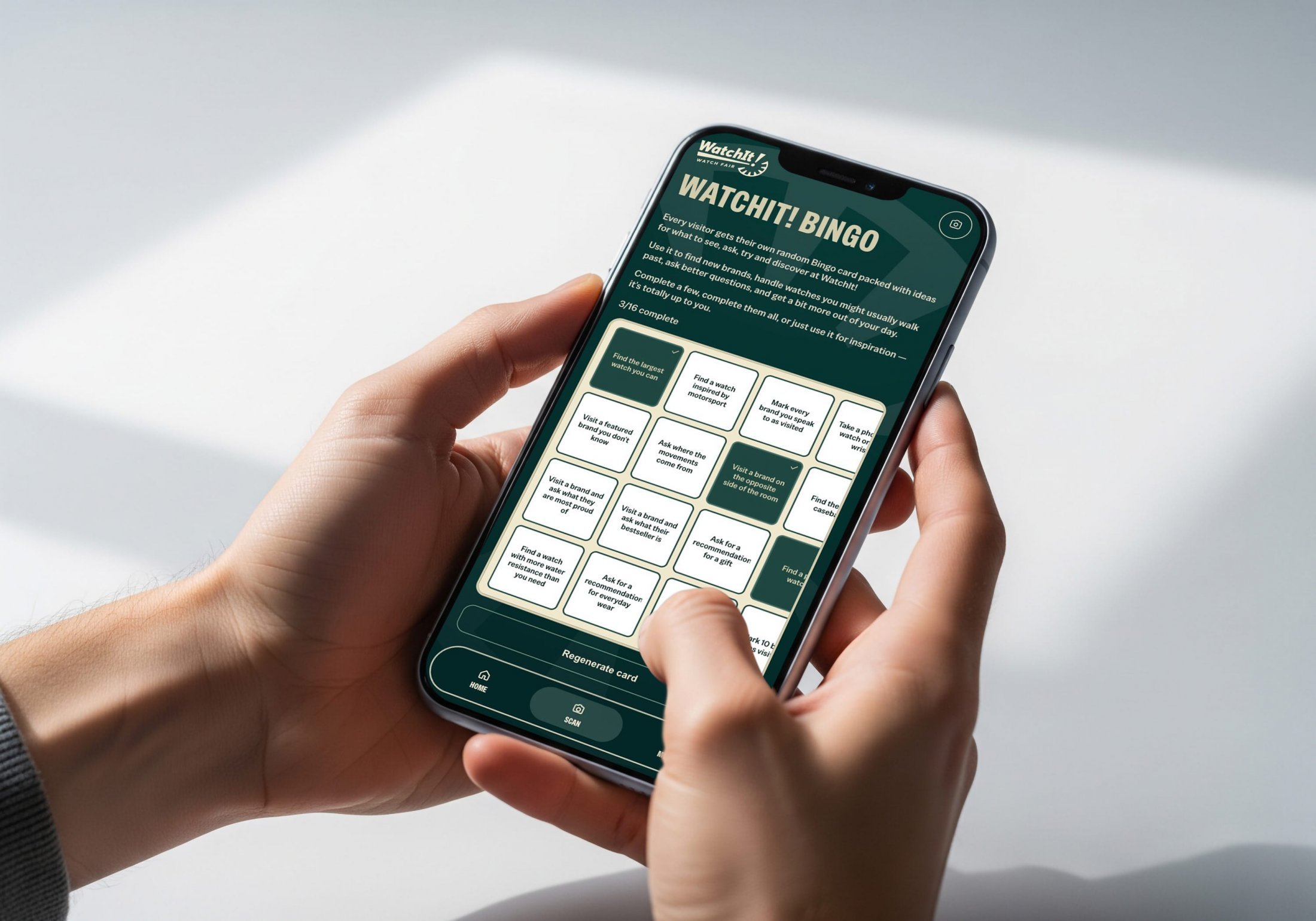
The system removes disruption from the event while simultaneously encouraging attendees to engage with brands they may otherwise overlook. Alongside this sits a dynamically generated bingo challenge featuring sixteen tasks designed to encourage exploration.
Examples include: Find a British watch brand, Try on a watch, Speak to a brand founder or Discover a watch under £500
It’s a subtle but effective way of encouraging attendees to engage more deeply with both the brands and the wider watch community.
Valuable Insights for Brands and Organisers
While visitors benefit from a more structured experience, the technology also delivers something that watch events have traditionally struggled to provide: meaningful data. Through an analytics dashboard, organisers can monitor:
Brand check ins
Page views
Visitor engagement
Average number of brands visited
Overall platform adoption rates
For brands, the benefits can be equally valuable. Visitors can choose to share their details and event notes directly with exhibitors, creating genuine post event follow up opportunities while remaining fully GDPR compliant. The data also provides organisers with tangible evidence of visitor engagement, helping demonstrate value to sponsors and exhibitors.
As Joshua notes, being able to show that visitors interacted with a specific number of brands or that a high percentage of attendees actively used the platform becomes an important metric when evaluating event success.
A Glimpse Into the Future of Watch Events
The launch of the platform may be centred around WatchIt Watch Fair, but Joshua’s ambitions extend beyond a single event. Discussions are already underway regarding potential deployment at other UK watch shows, including the Manchester Watch Show, where additional features such as event schedules, speaker timetables and live programming could be integrated.
The concept reflects a broader shift taking place across the watch industry. For decades, watchmaking has embraced innovation in product development while often remaining conservative in customer engagement. Events, in particular, have changed little despite the rise of smartphones, digital ticketing and data driven experiences.
Joshua believes that is beginning to change. “The watch industry as a whole is very old fashioned, and I think it’s finally coming into the modern era.”
WatchIt’s new platform represents an early example of what that future could look like. Rather than replacing the personal conversations and hands on experiences that make watch events special, the technology quietly enhances them, helping visitors discover more brands, retain more information and make the most of their day. For an industry built around precision, it feels fitting that watch events are finally starting to become a little more precise too.