
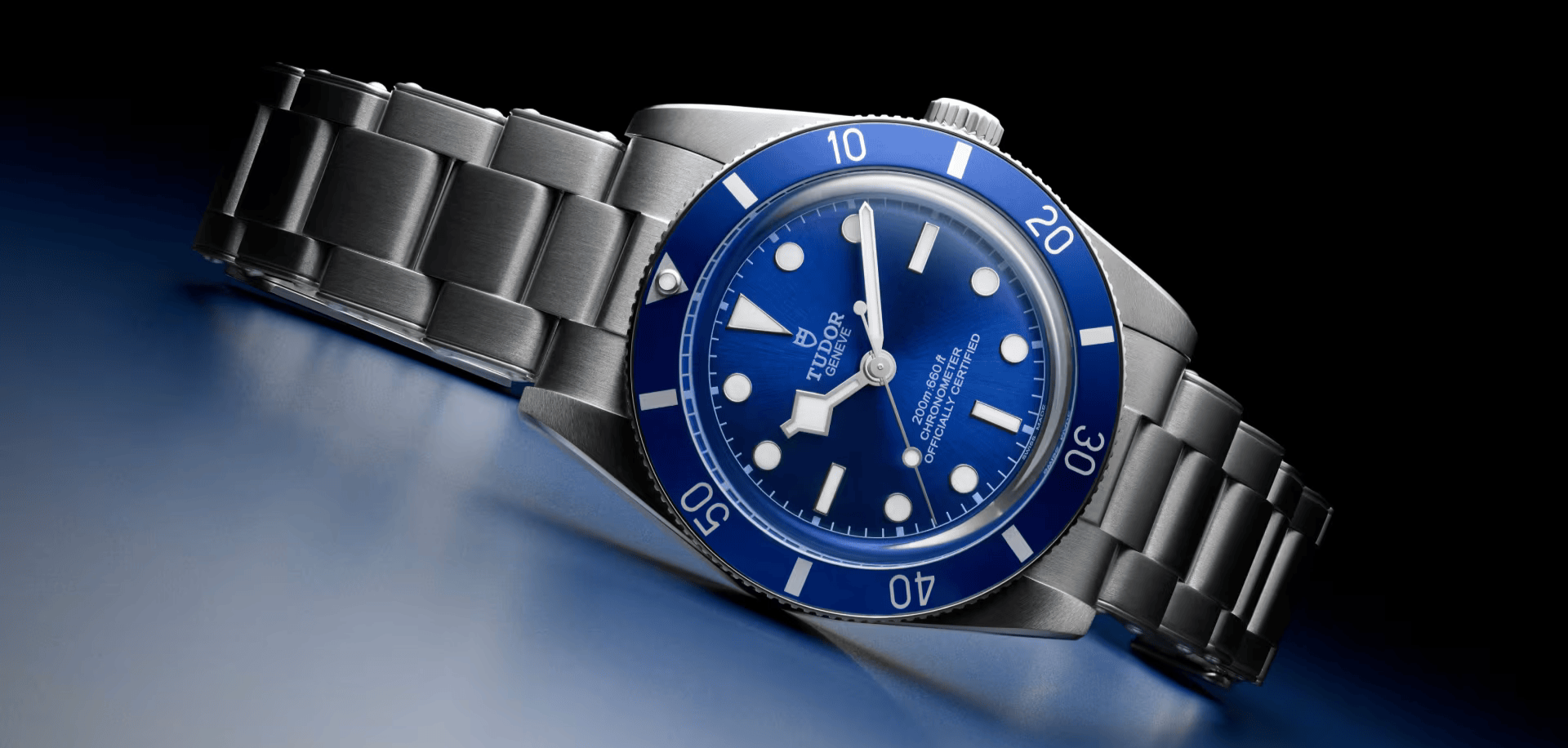
Whilst recently listening to “A Tale Of Two Wristies” podcast, Iman came up with a very valid point about how the Tudor Black Bay seems to be evolving into something rather different from its first designs. So thought it pertinent to expand on her idea.
There’s no denying the impact the Black Bay has had on Tudor over the last decade. It transformed the brand from the forgotten sibling sitting quietly in Rolex’s shadow into arguably one of the hottest names in modern watchmaking. The formula was simple at first: vintage military-inspired dive watches with strong proportions, matte finishes and enough character to feel authentic without trying too hard. Back then, the Black Bay felt raw in the best possible way.
The early models carried real tool-watch energy. Big crowns, matte dials, aluminium bezels and thick, brushed cases gave them a sense of purpose. They looked like watches that belonged underwater, not under cufflinks at a dinner table. Even the faux rivets somehow worked because the overall package felt honest. But somewhere along the way, the collection began to evolve.
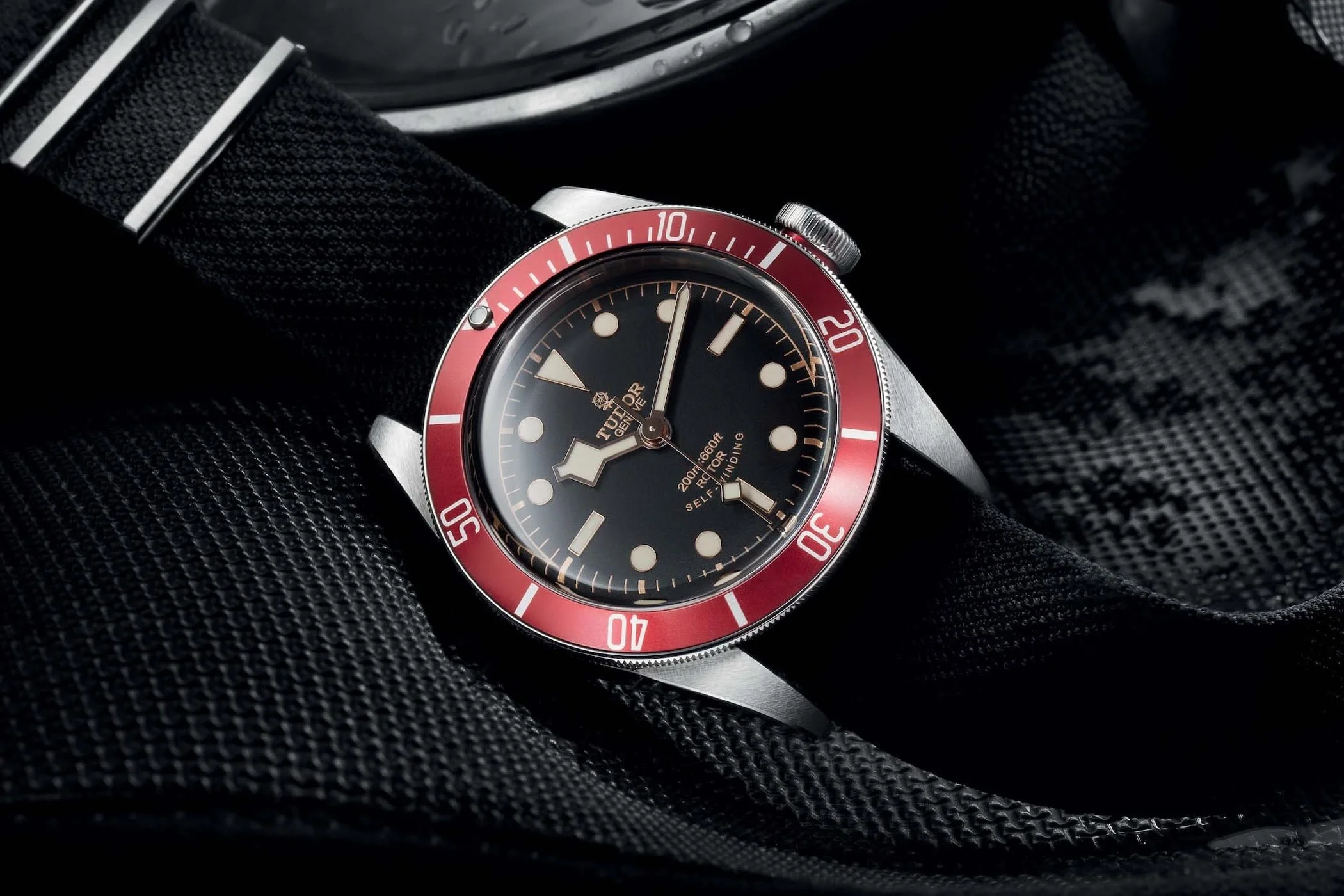
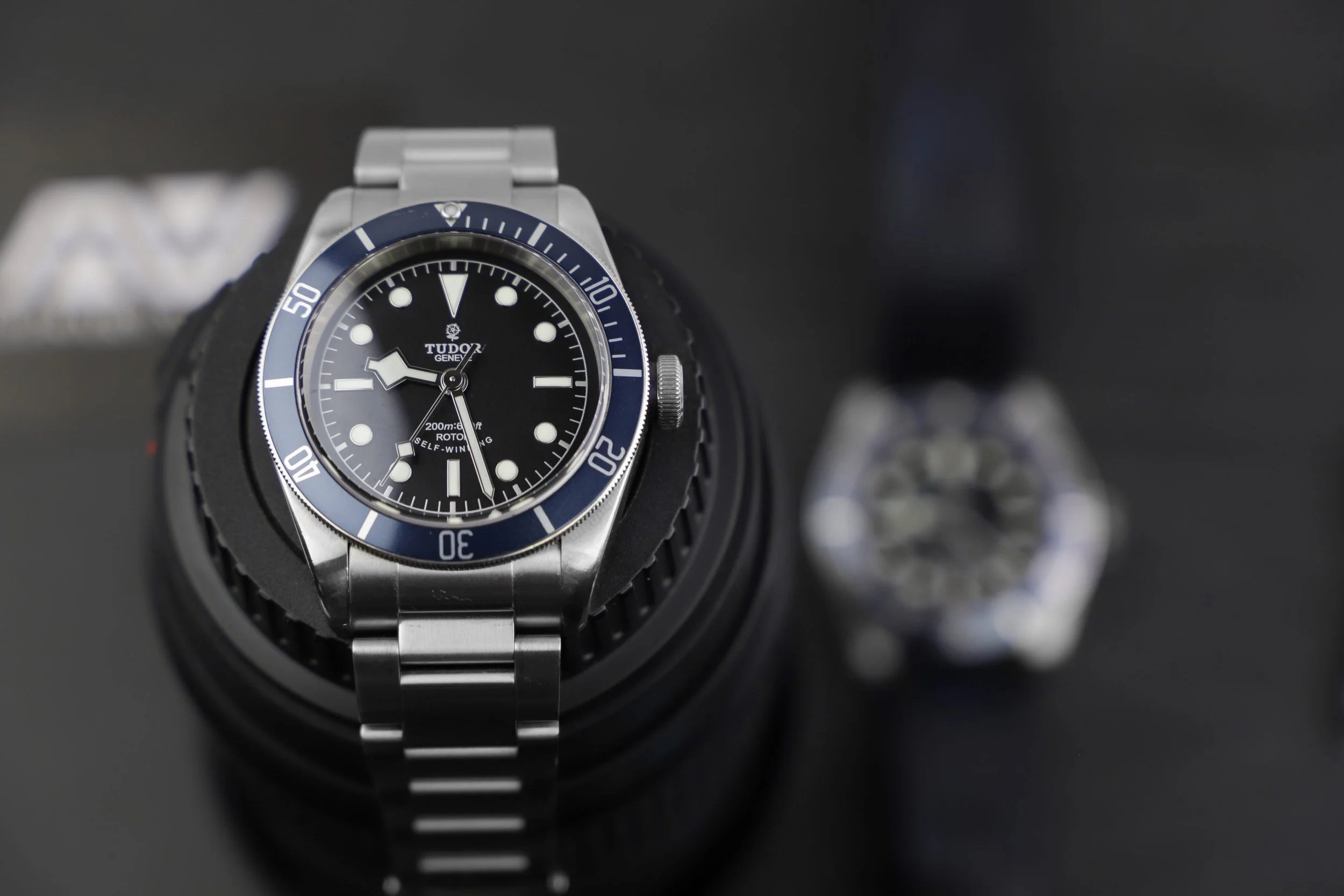
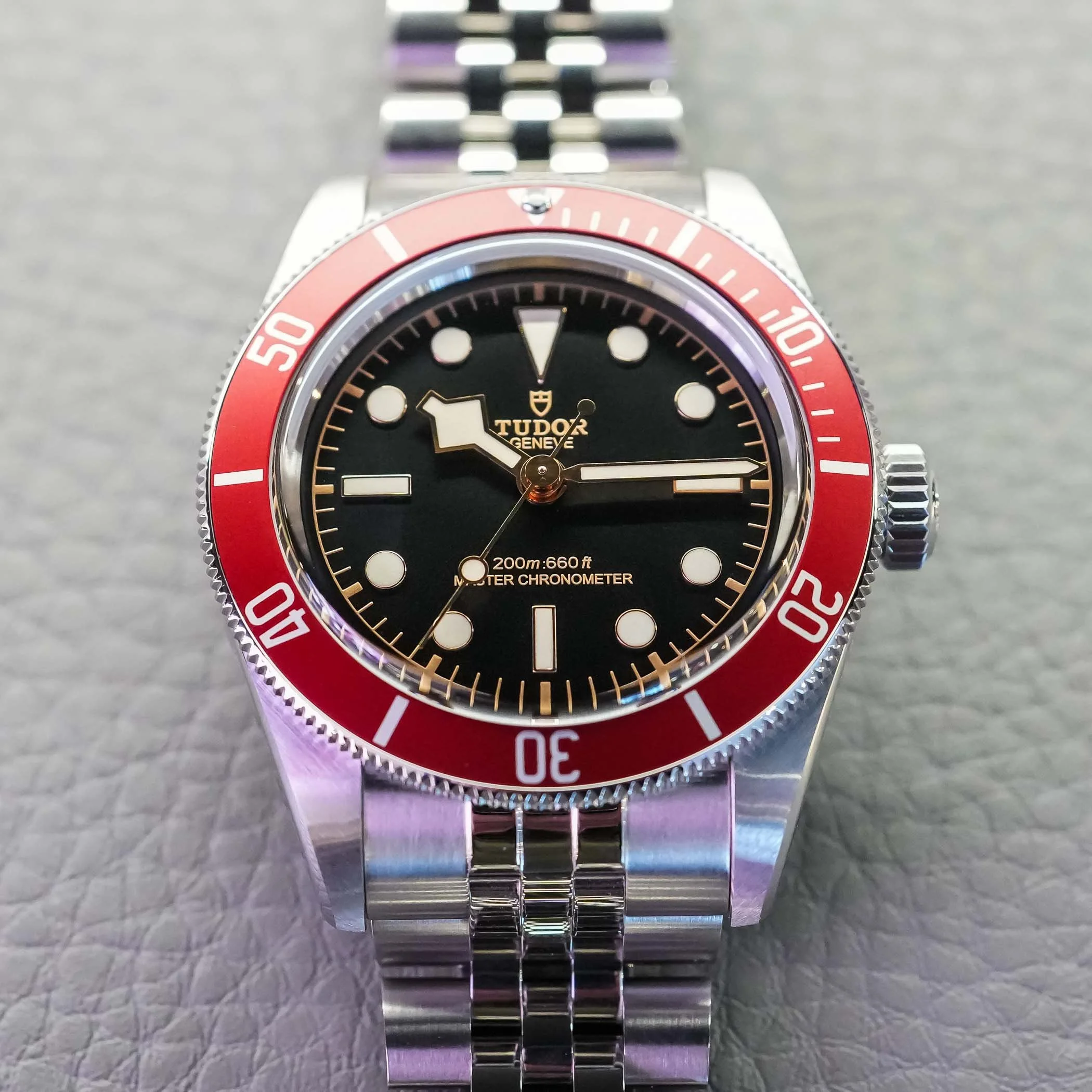
Not overnight, and not dramatically enough for many people to notice at first. Yet compare one of the earlier Black Bays to the latest releases and the shift becomes obvious. Cases have become sleeker, polishing far more prominent and dials now play with the light in a way the older references never did. Add the introduction of five-link bracelets and Tudor’s continued refinement of finishing, and suddenly the Black Bay feels considerably more luxurious than it once did. In fact, you could argue it now sits closer to a sports dress watch than a traditional tool watch.
That’s not criticism either. Tudor has simply become very good at understanding what modern buyers actually want. Most people purchasing a Black Bay aren’t saturation divers or military personnel. They want something versatile. A watch that works just as well on holiday as it does in the office or out for dinner. And the current Black Bay does exactly that.
The newer sunburst dials completely alter the personality of the watch. Where the older matte finishes absorbed light and felt subdued, these newer dials come alive. Depending on the angle, they shift and shimmer, giving the watch a far more refined appearance. Combined with polished case flanks and more jewellery-like bracelets, the modern Black Bay has become undeniably elegant.
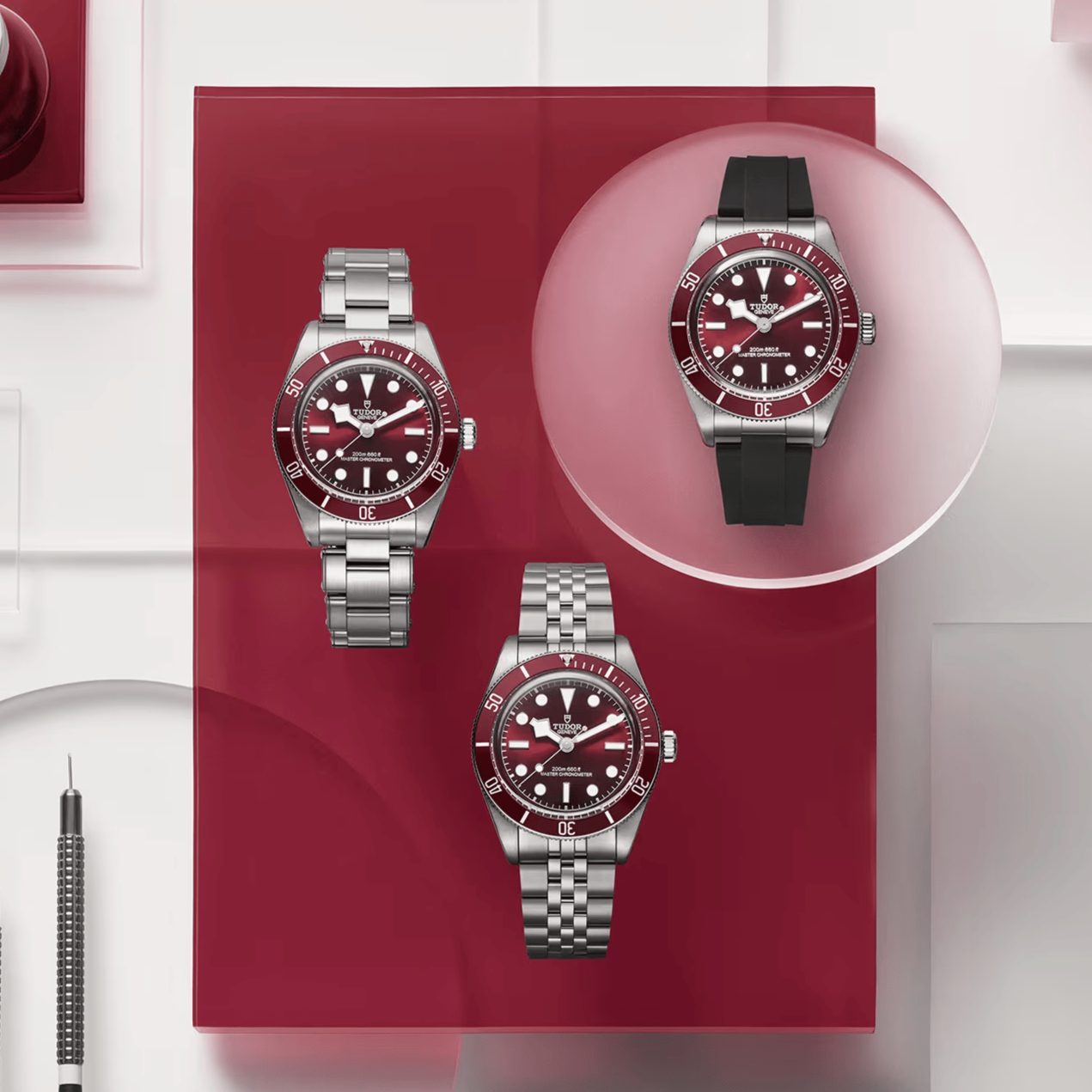
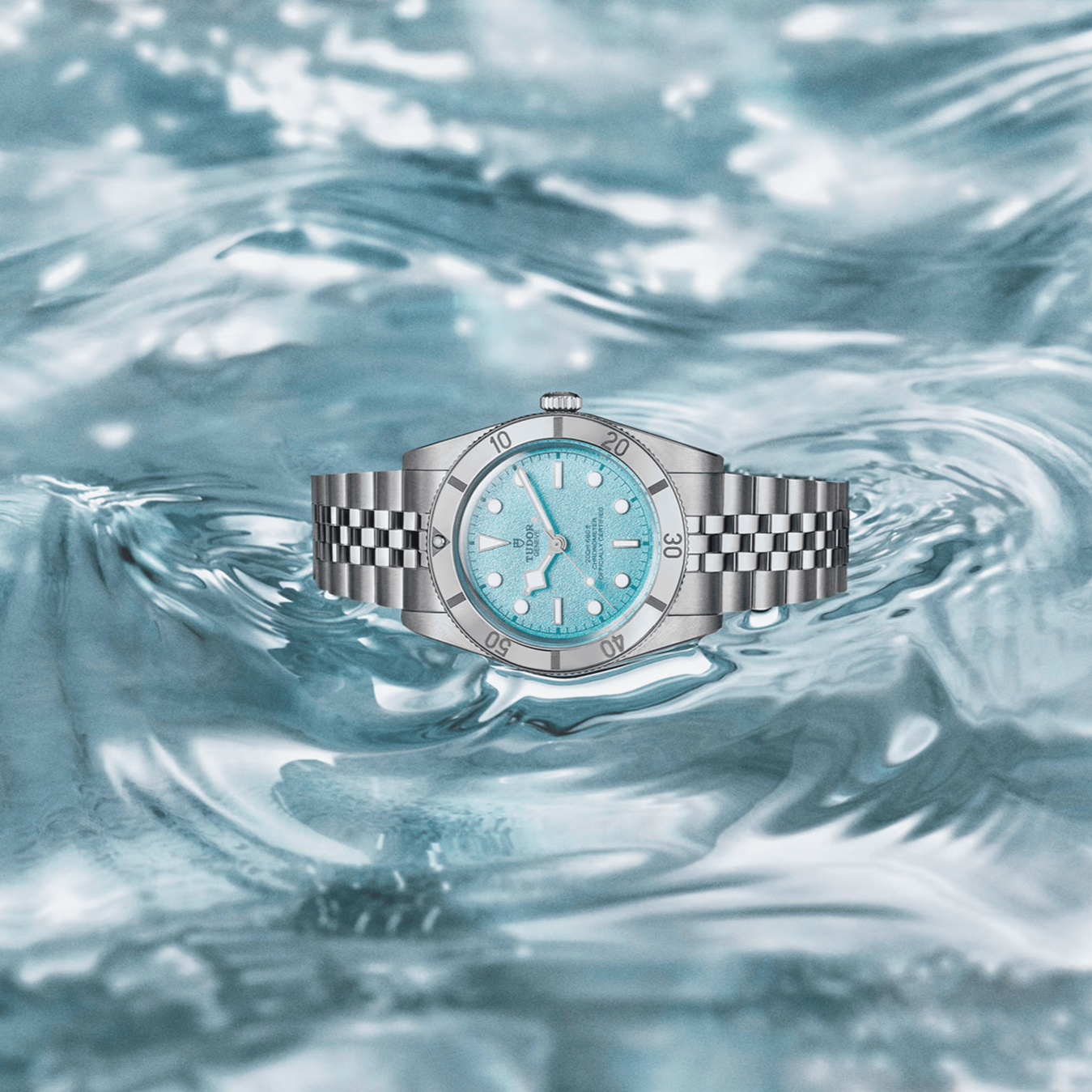
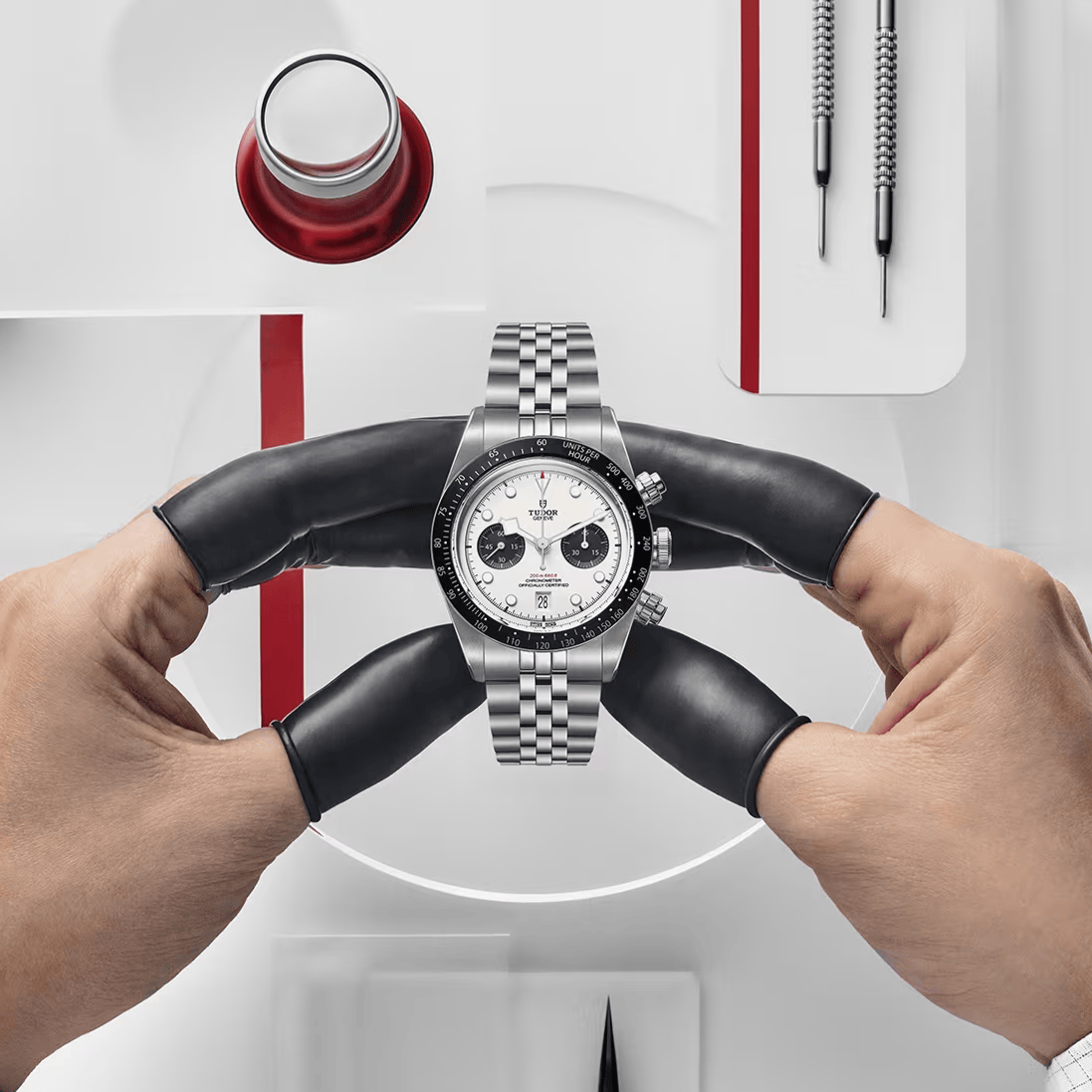
It still carries all the dive watch credentials on paper, of course. Strong water resistance, robust movements and excellent lume remain. But emotionally, it no longer feels like the rugged adventurer it once was. Which raises another interesting point.
If the Black Bay has drifted toward everyday luxury, has the Pelagos quietly become Tudor’s only true tool watch? Because while the Black Bay has softened, the Pelagos has remained stubbornly functional.
The Pelagos has never chased nostalgia in quite the same way. It doesn’t rely on gilt accents or vintage warmth. Instead, it feels clinical, modern and engineered with purpose at the forefront. The fully brushed titanium case, stark dial layout and lightweight construction give it an entirely different character on the wrist. Where the Black Bay feels romantic, the Pelagos feels professional.
Even visually, they now sit worlds apart. One catches reflections from polished surfaces and sunburst textures. The other disappears into matte titanium and flat black dials. The Black Bay wants to be noticed. The Pelagos simply wants to work.
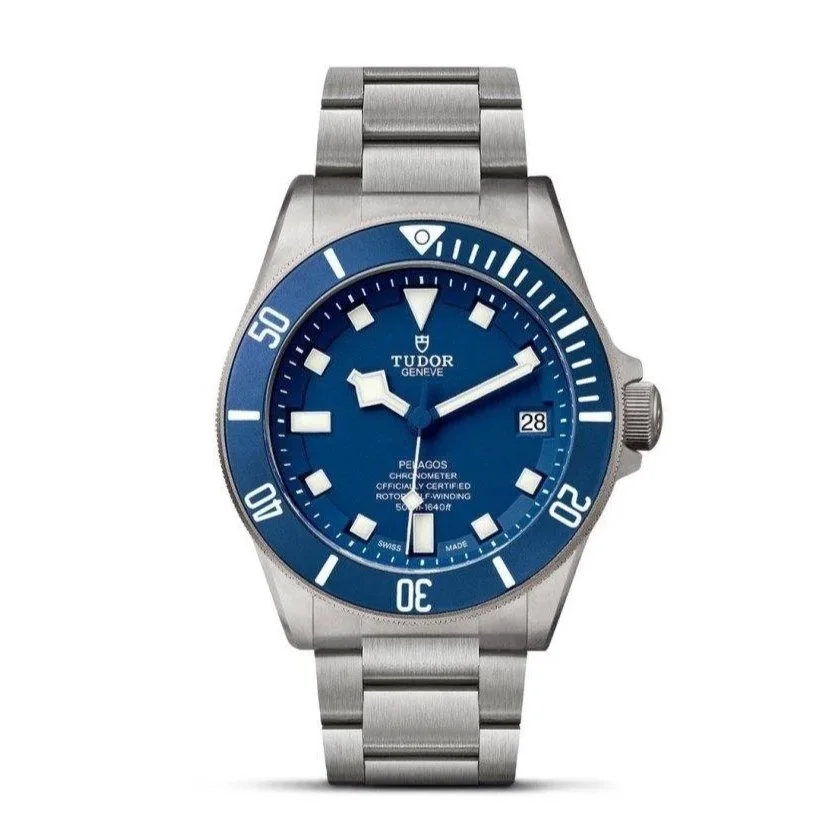
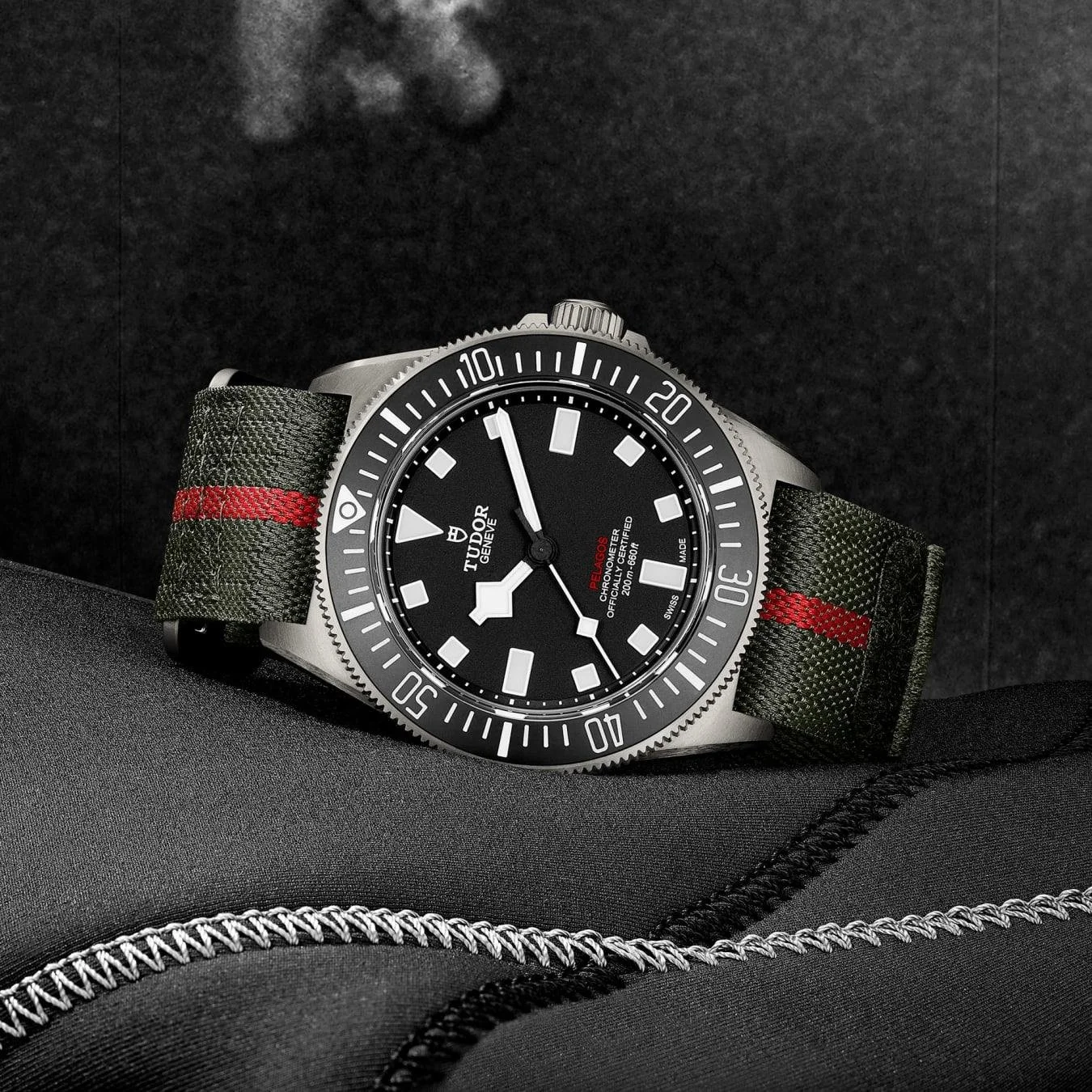
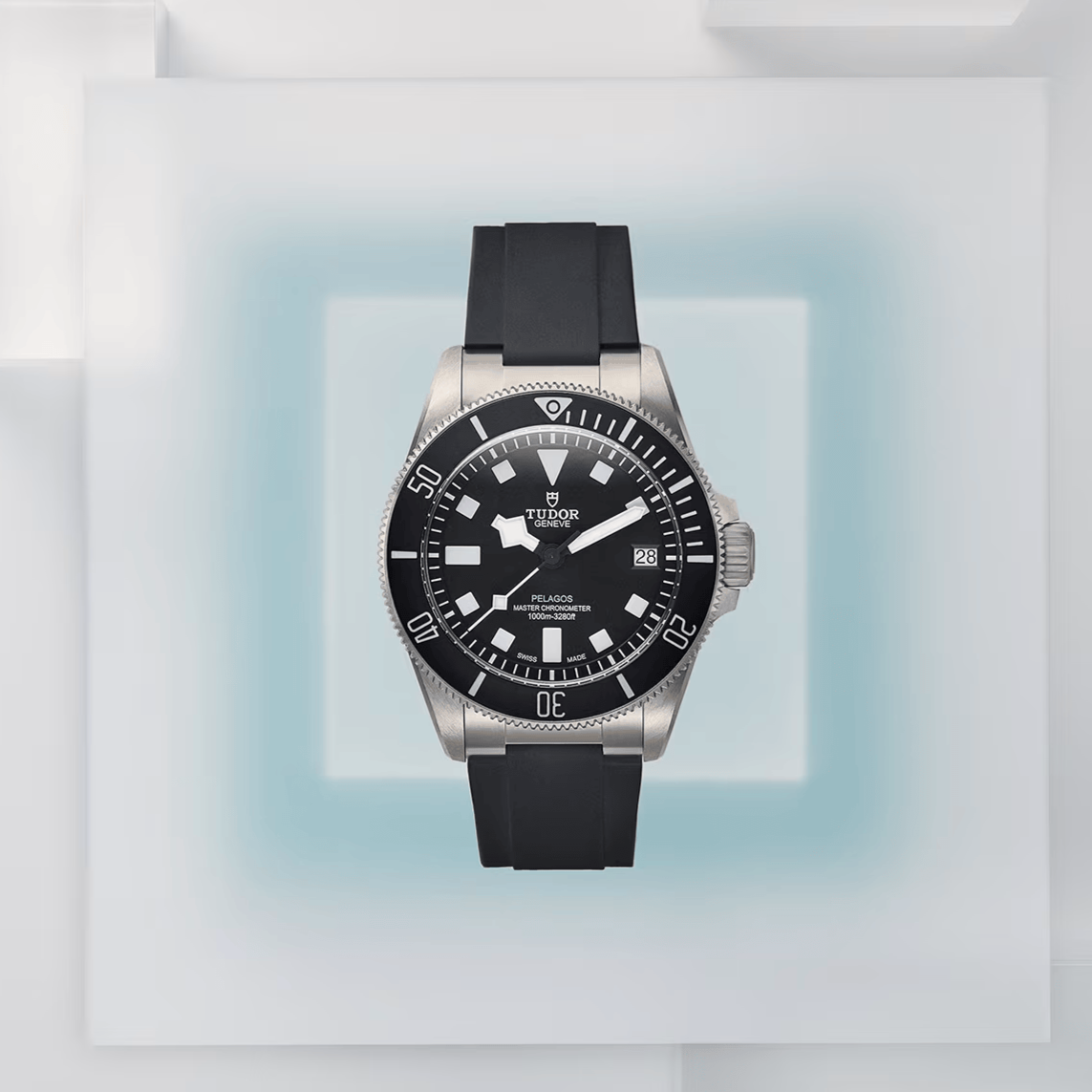
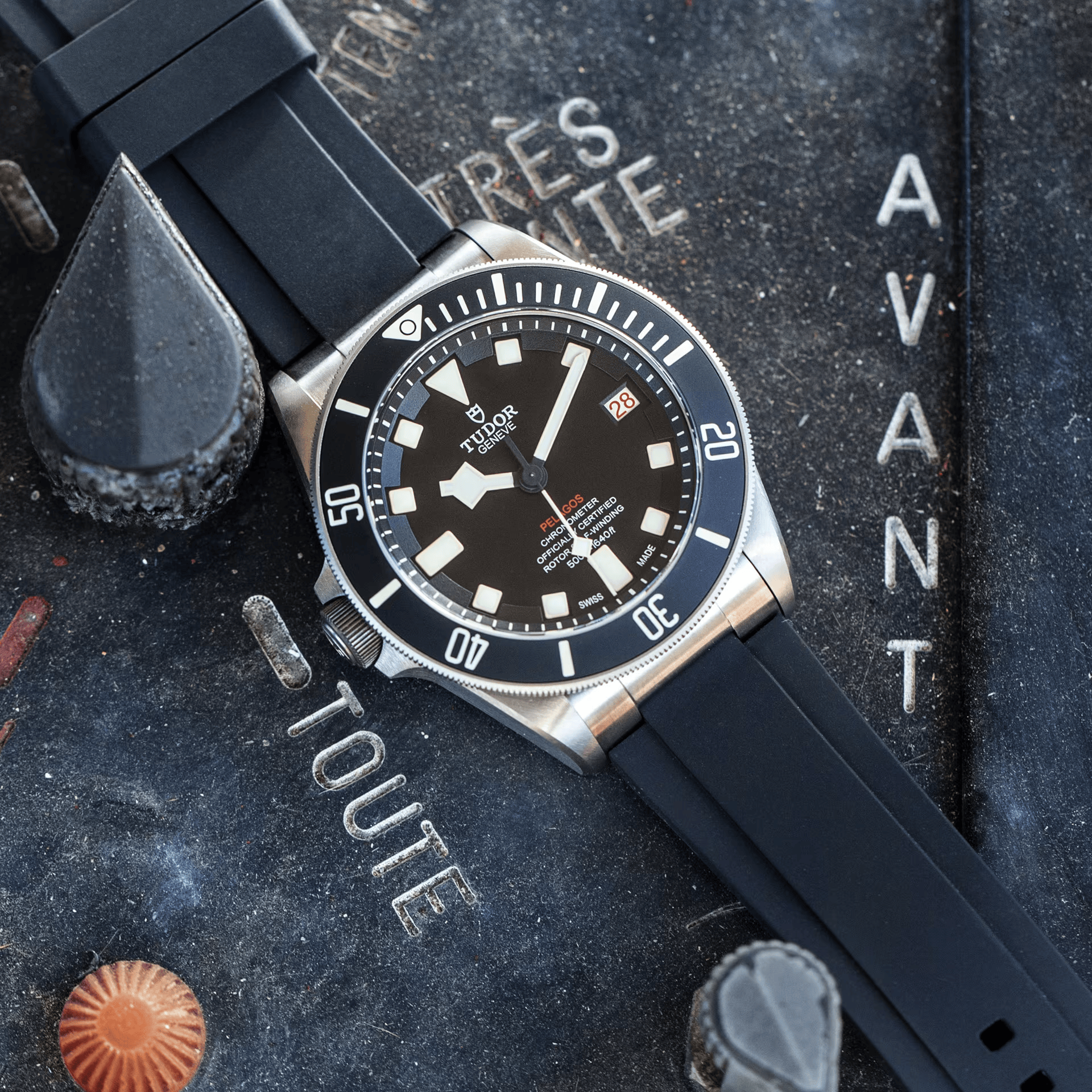
That’s perhaps why the Pelagos has become such a favourite among enthusiasts who still crave genuine tool-watch DNA. It hasn’t been softened to appeal to a broader luxury audience. It remains slightly cold, slightly over-engineered and all the better for it.
Ironically, Tudor may now have two completely different identities living side by side. The Black Bay has become the stylish all-rounder.
The Pelagos has become the instrument, and maybe that’s no bad thing.
The reality is that watches have changed. Buyers have changed too. Very few people today want a purely utilitarian watch with no refinement. They want comfort, finishing and versatility alongside heritage and capability. Tudor has recognised that better than most brands.
Still, for those of us who miss the grittier side of the original Black Bay, the Pelagos now feels like the last remaining link to Tudor’s older philosophy. It’s the watch in the collection that still feels designed primarily around function rather than lifestyle.
Perhaps that’s why the Pelagos continues to quietly gain respect while the Black Bay enjoys the spotlight. One evolved with the market.
The other stayed true to itself.